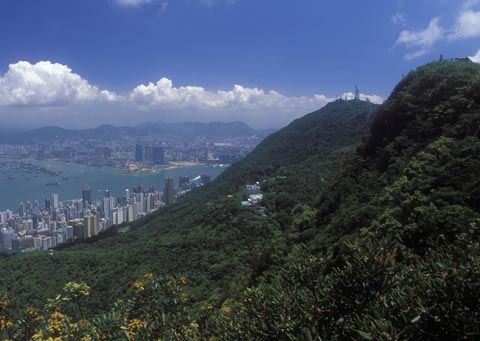

With so many tourists deterred by Covid brouhaha and exaggerated demonisation of Hong Kong people, this is a good time to enjoy some places and services that are usually thronged with visitors. Like the Peak Tram, which on a morning I tried was so quiet there were only six other people on board.
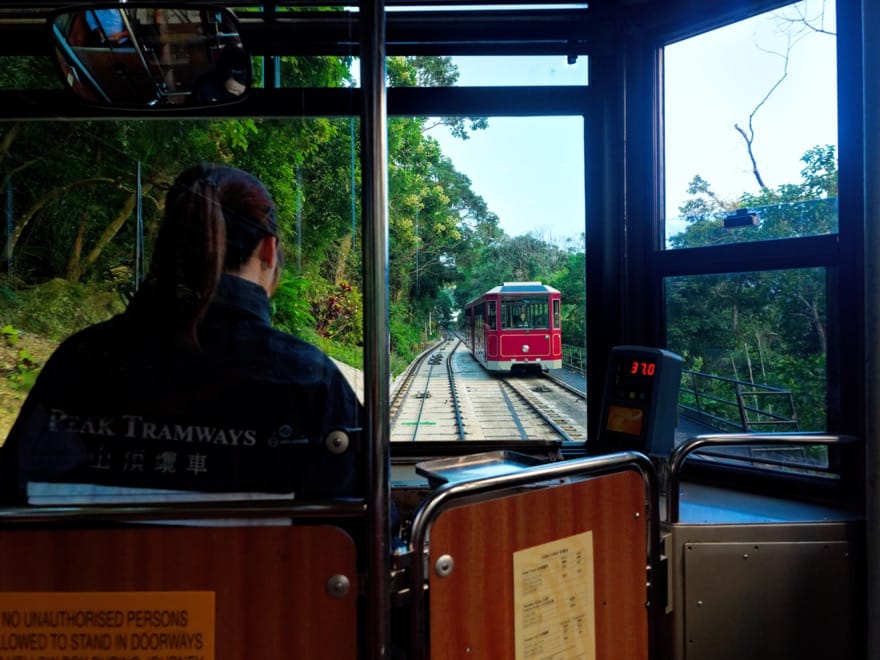
While the Peak Tram is in itself worthwhile – soon leading up from amongst city buildings to wooded slopes high above them, it’s also a handy way of reaching higher parts of Hong Kong Island, with opportunities for wonderful hiking and strolling.
Easy walks along Harlech Road and Lugard Road pass vantages with majestic views over Victoria Harbour and across Pokfulam high-rises to Lamma, respectively. These “roads” are little more than footpaths that mostly hug contours, and meet in the west so you can make a circuit of the Peak.
Up Mount Austin Road to Victoria Peak Garden
A less obvious route for a hike leads up Mount Austin Road. At first, it appears this might only head for clusters of apartments, but after about five minutes you can take a detour into Mount Austin Playground with its lawns, shrubberies and scattered trees. Above here, the road narrows to little more than single lane, then angles left and upwards, through woodland.
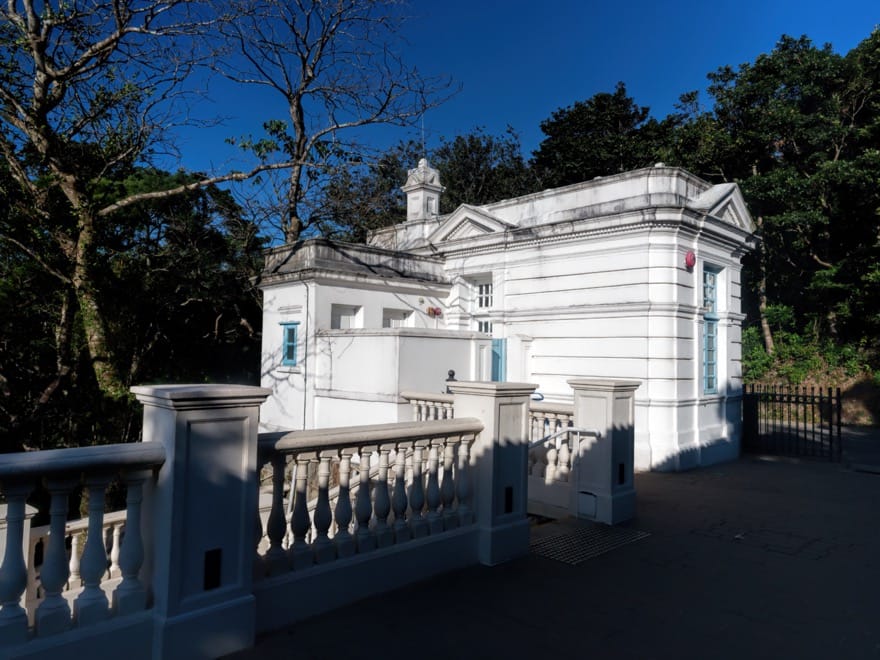
Perhaps 20 minutes’ walk from the tram station, there’s a single storey, white-painted building by the road. This was built at the beginning of last century, as living quarters for the gatekeeper of a mountain lodge built at the same time, which was a summer residence for Hong Kong governors. While the main lodge was demolished in 1946, this gate lodge survives as a declared monument. It’s an attractive building, in neoclassical style, with blue doors and window frames in jaunty contrast to the white walls and ornamental eaves.
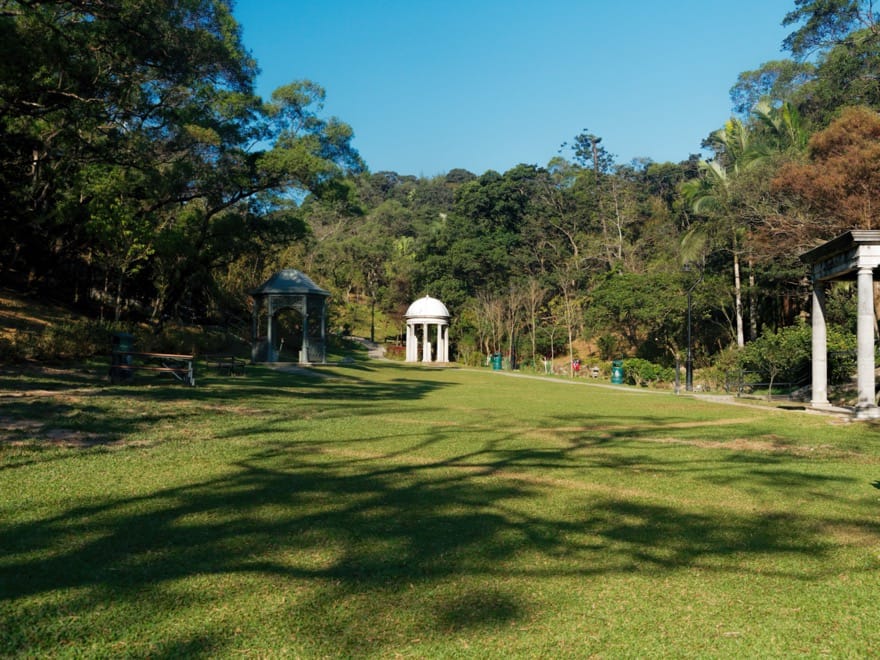
The gate lodge is by a small valley just south of the highest point of 552-metre Victoria Peak, which is also known as Mount Austin. The lower slopes have been landscaped, and there’s a grassy area with two pavilions that have domed roofs atop pillars, built in a style recalling Victorian era Britain. This is Victoria Peak Garden, and is like a secret place hiding in plain sight, easily found by anyone willing to venture away from the Peak’s typical visitor attractions.
A footpath leads alongside a stream, then winds up to a car park above the garden. A minute or so from here, there’s a vantage with fine views to the western harbour, Lamma, and a nearby, slightly lower peak, High West.
High West affords panoramic views
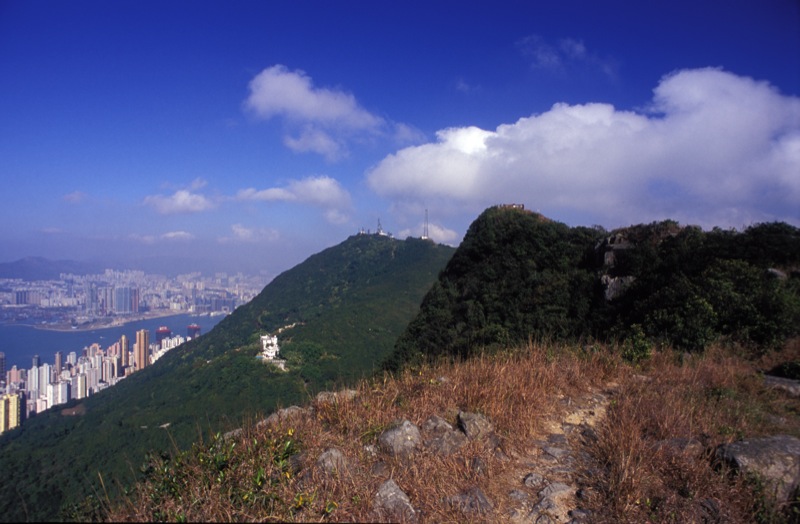
There are even better views from High West, which reminds me of hills in the wilder parts of the New Territories. But first, you have to climb it.
From near the vantage, there’s a path down the wooded west slope of the Peak, to a junction with Harlech Road, by a tiny garden with a pavilion akin to an old-style British bandstand. The path to High West starts here, and while a little challenging, it doesn’t really deserve the name Treacherous Trail, as on Google Maps.
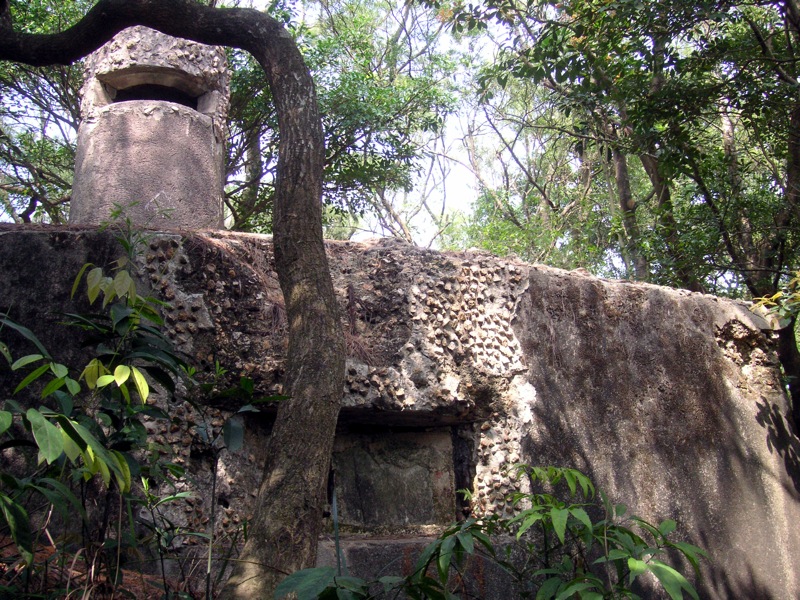
After dropping down a short flight of steps, the path is level till it arrives at the remains of a World War 2 bunker, with the entrances sealed, and a grassy clearing amidst the trees. Then, the path starts climbing and winding its way up the steep hillside. Signposts indicate when you’re a quarter, half, and three-quarters of the way to the top. Then the slope eases, and the path arrives at the top of 493-metre High West.
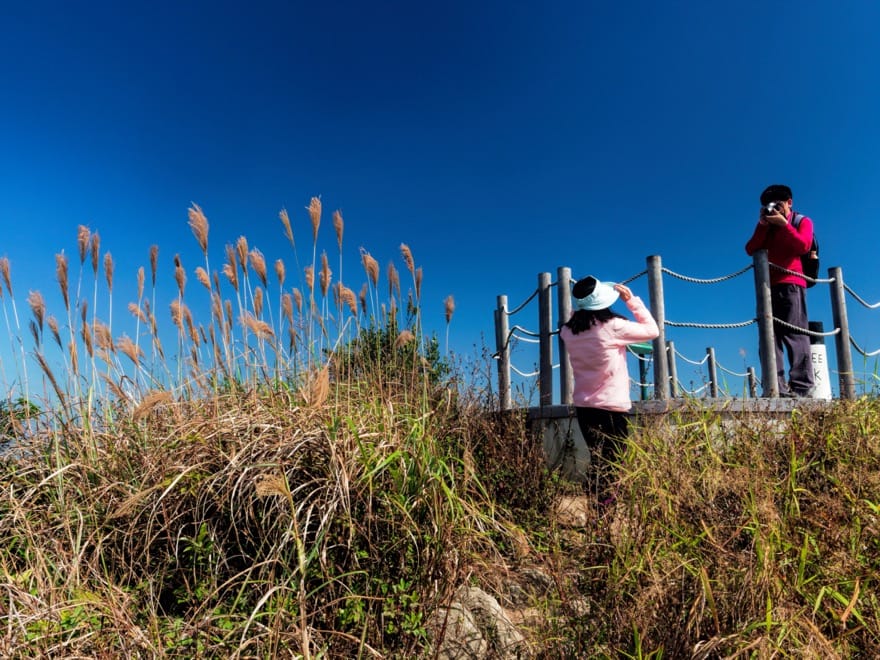
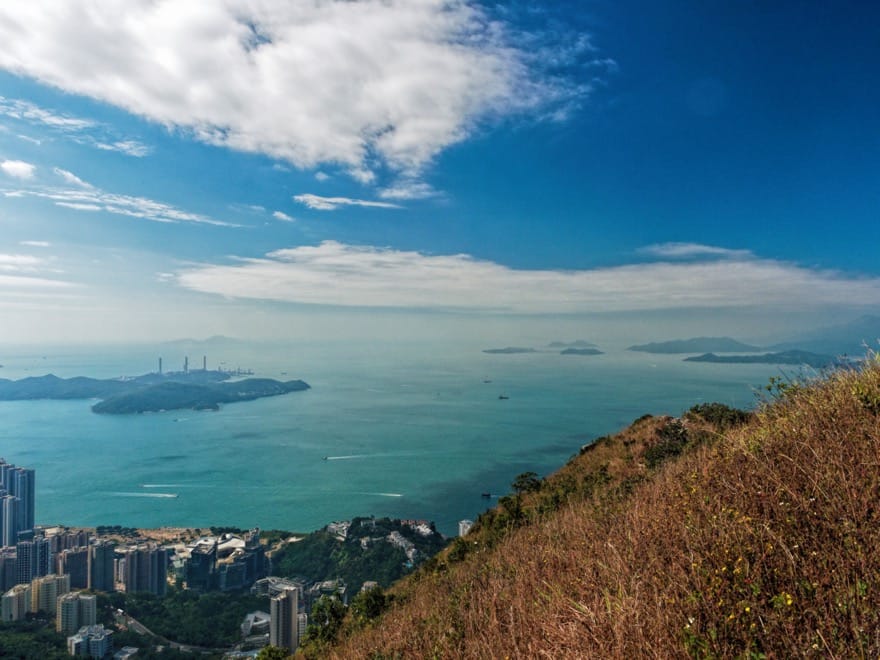
With only low shrubs, flowers and grass around the peak, High West affords panoramic views over western Hong Kong. Lamma’s hills and trio of power station chimneys are nearby, while Lantau’s hills and headlands may be just grey shapes in the haze on the western horizon. Northwards is another line of distant hills, backed by the broad cone of Tai Mo Shan, with Kowloon in the middle distance, and Victoria Harbour and densely packed Western District in the foreground.
Once sated with scenery, it’s time to drop back down to Harlech Road. Here, too, there are choices for walking routes, including easy return trips to the Peak Tram station via Harlech Road or Lugard Road. For more hiking, turn left, and left again, to follow the less visited westernmost stretch of Harlech Road.
Around the slopes of High West to Pokfulam Reservoir
As signposts indicate, this is part of the Hong Kong Trail, which winds over Hong Kong Island hills and through valleys, from the Peak Tram station to Big Wave Bay. The “road” is an almost level footpath, leading only to a spur overlooking the western harbour.
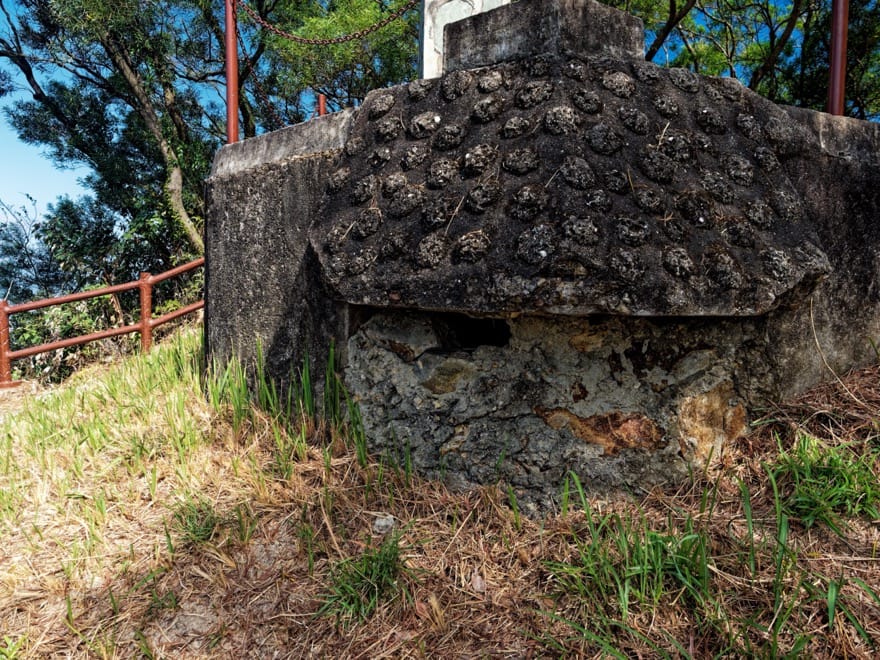
Here, there’s a squat stone and concrete building set into a grassy slope, with three horizontal slits facing outwards. This is a former military observation post, built in the late 1930s as Hong Kong made preparations against the looming threat of invasion by Japanese forces.
The trail drops down winding flights of steps, and turns southwards along the flank of High West. It almost tunnels through woodland with spindly trees, and the outside world is hidden from view, though sounds of air conditioning systems are reminders that Pokfulam is close by. The trail eases, curls left, and a path to the right offers a shortcut to Pokfulam Reservoir.
Even if you plan to end the excursion at the reservoir, it would be a pity to take this option. For the Hong Kong Trail now leads inland, with city sounds fading, and calls of birds including white-eyes and bulbuls – which always seem cheerful – more prominent.
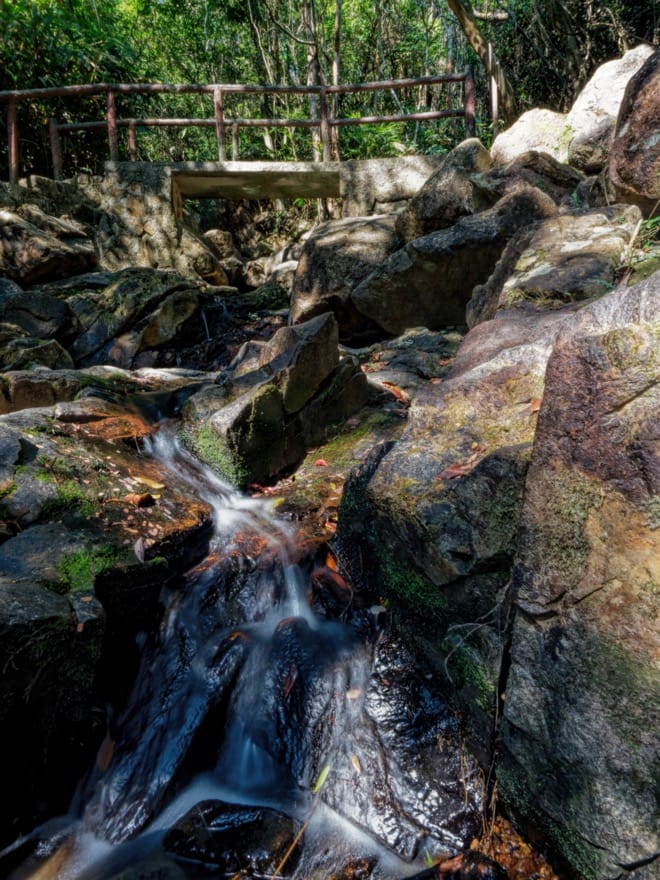
The trail winds along the hillside, and narrow concrete footbridges cross two streams that form small yet picturesque cascades, amidst glades where you may find butterflies abound. These are pleasant spots to linger, maybe for a picnic.
The bridge over the second of these streams is just 450 metres as the large-billed crow flies from the upper Peak Tram station. The path makes an abrupt turn here, to angle down the the south side of the valley carved by the stream. It meets Pokfulam Reservoir Road, which is off limits to most vehicles, and popular with ramblers. The Hong Kong Trail turns off to the left, bound first for the Aberdeen Reservoirs.
On the right, there’s a ravine with the main stream tumbling along its rocky course towards the reservoir. While just 200 metres long and mostly less than 100 metres wide, the Pokfulam Reservoir is notable for being the oldest of Hong Kong’s reservoirs. It was completed in 1863, and the Antiquities and Monuments Office notes there are six declared monuments here – four of which are bridges, one is a gauge basin below the dam, and the other is the former watchman’s cottage, which is now the Pokfulam Management Centre.
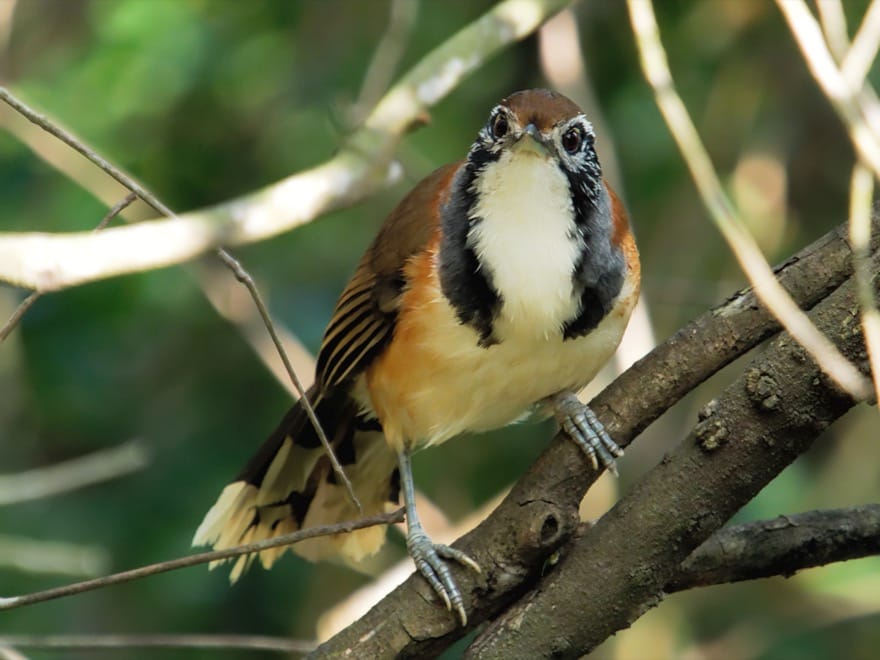
With its white walls, the cottage looks like a relative of the gate lodge on the Peak, though has a sheltered balcony where watchmen and their families may have enjoyed some relaxing times overlooking the reservoir and hills. From here, it’s just a few minutes’ walk to Pokfulam Road, where there are stops for buses bound for Aberdeen, and north Hong Kong Island.
Written for the South China Morning Post.