typhoon

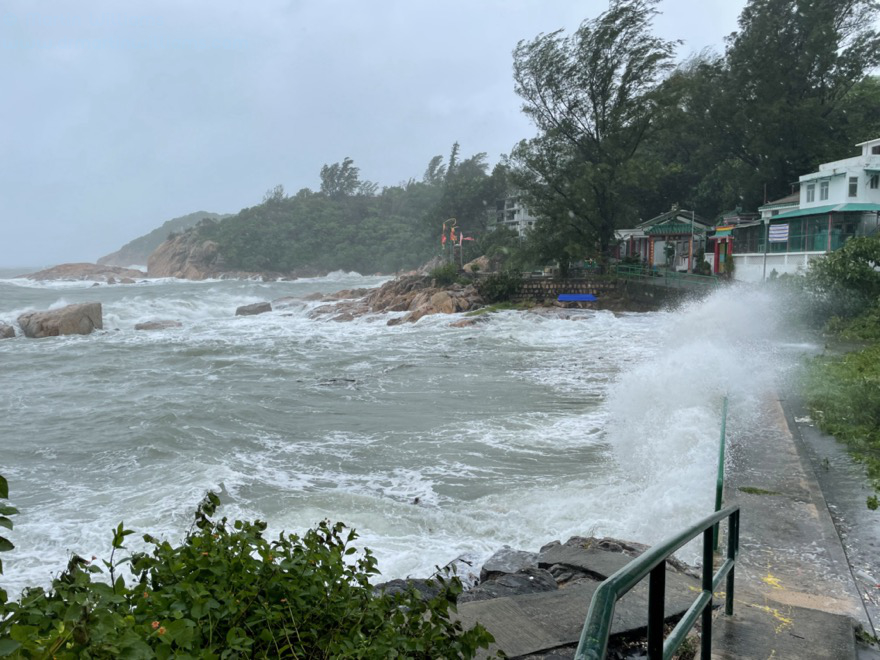
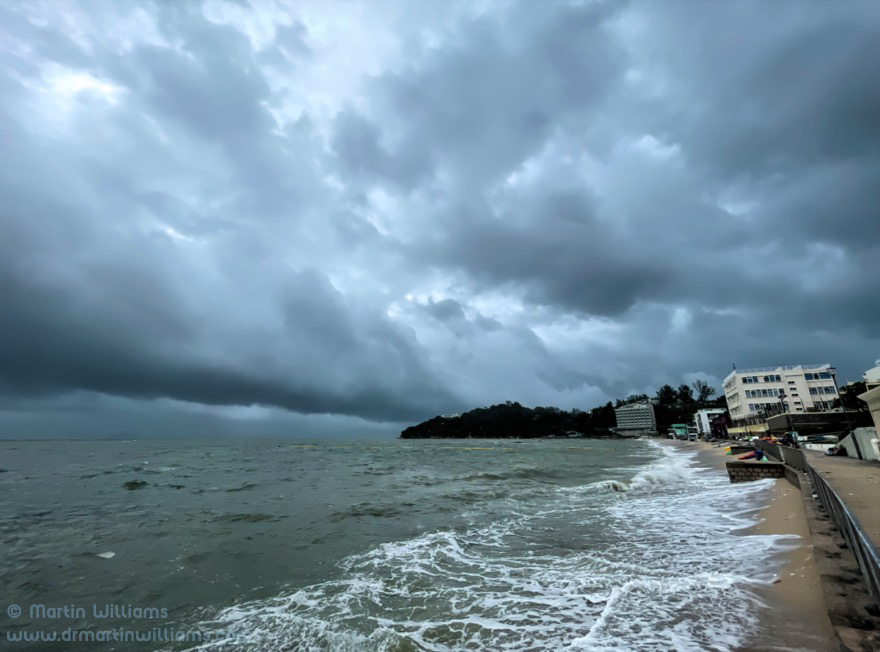
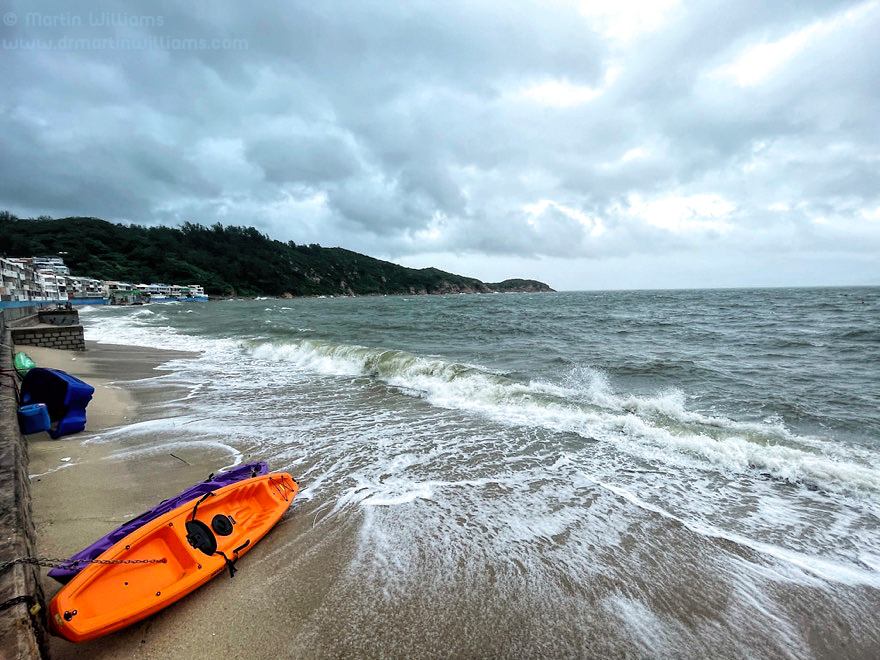
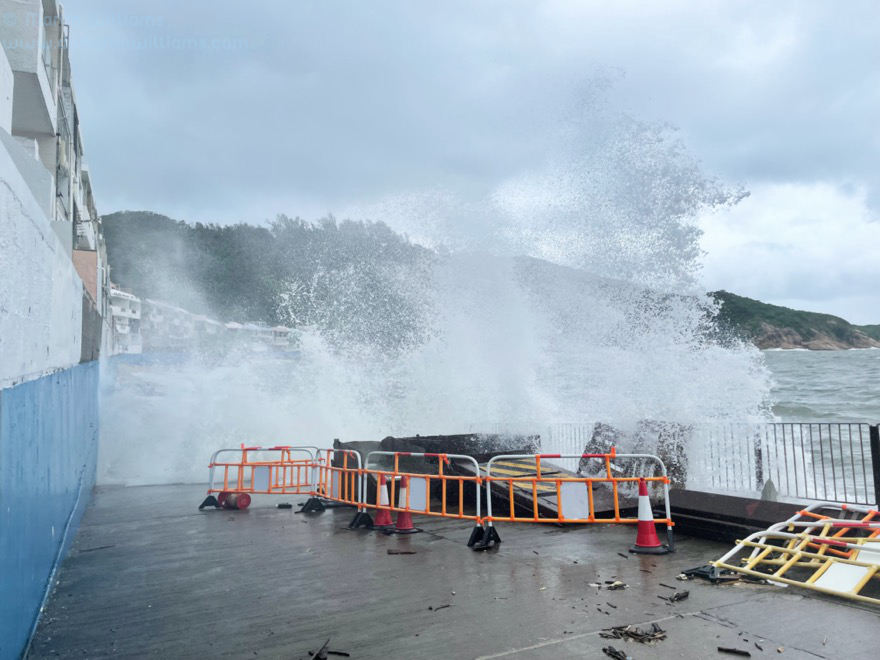
Scenes from Cheung Chau, Hong Kong, as Typhoon Koppu approached and passed Hong Kong

Typhoon Koppu passed Hong Kong over 14-15 September 2009; came within around 120km (to southwest) overnight. Major thunderstorm the evening before - see this video. In post below this, there is video from Cheung Chau, on 14th and 15th.

It was very hot on 13 September - to 34.5C on Cheung Chau; after hot few days following Hong Kong's hottest August since 1963. With a tropical storm forming near Luzon, and headed towards Guangdong, seemed thunderstorms were likely. Even so, this storm was remarkably severe - for amounts of lightning, and tremendous thunderclaps. Phew!

Tropical Cyclone Molave aims for Hong Kong

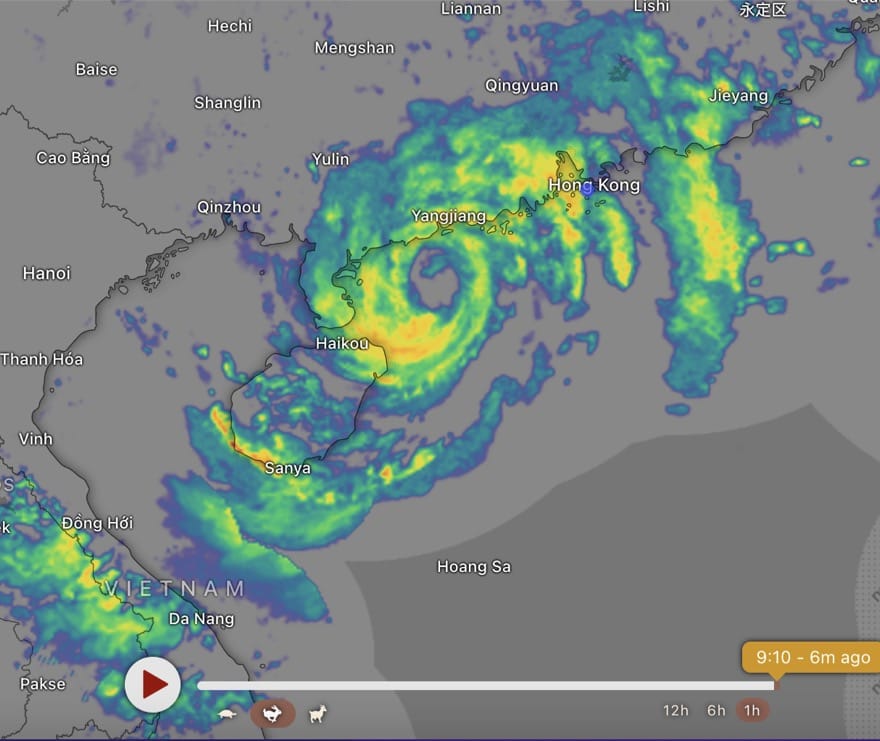
Tropical depression Molave has strengthened to become a typhoon (as I edit at noon on 17 July, around 350km ese of HK), and now on course towards Hong Kong. Looks set to hit early on 18 July.[Note on 19 July: it passed just to north of HK, across Shenzhen.]

Typhoon Nuri to impact Hong Kong

Typhoon Nuri is heading west from the Pacific; currently near the northern tip of Luzon. [Edit, 2pm Thurs 21 Aug: it's moved closer, forecast tracks now put it close to Hong Kong tomorrow, with direct hit possible - if so, would  mean Nuri follows much the same track as some of the main typhoons that have hit Hong Kong.]

Edited: Here's video I shot today; not so great for winds - which were considerably stronger afterdark, reaching hurricane force at Waglan Island and Ngong Ping, and storm force )for over three hours) on Cheung Chau. But, shows eye well I think; albeit not a cloudless eye.

HK Number 8 Signal

Hong Kong's Number 8 tropical cyclone warning can be controversial; the signal means that gale force winds are expected or blowing in Victoria Harbour. Especially as this may mean hurricane force winds may soon follow - as the eye of a typhoon approaches - this signal can prompt a virtual shutdown of Hong Kong.

But, hurricane force winds rarely follow; and there have been occasions when the Number 8 has been issued, then little happened bar strong winds and rain - and business folk have complained about the city shutdown causing economic losses they believe are unnecessary.

Hearing a discussion about Hong Kong's tropical cyclone warning signals on RTHK Radio 3 recently, I emailed to suggest that there might be two signals when gales are due: a Number 8 if stronger winds don't seem imminent, and another signal if there appears to be a chance that the winds will reach and then surpass gale force. Dr Wong of the Hong Kong Observatory, who was on air at the time, thanked me for my suggestion but said we already have the second signal - the Number 9. But, the Number 9 is issued only when gales are blowing and increasing, not before gales have started; I emailed the Observatory to say so, and this led to the following correspondence.

Hong Kong Typhoons

Typhoons have long impacted Hong Kong - even the word "typhoon" is said to be derived from the Cantonese "tai fung" - big (or great) wind. Just months after British sovereignty over Hong Kong Island was first declared in 1841, "a violent typhoon flattened all the insubstantial housing and damaged shipping." (Endacott, A History of Hong Kong.) (For a little info on how typhoons form, and Hong Kong's typhoon signals, see my article Hong Kong tropical cyclones.)

Hong Kong tropical cyclones

Hong Kong lies in the tropical belt that's impacted by low pressure systems that can intensify into the world's most powerful storms: known as hurricanes in North America, cyclones in Australia and the Indian Ocean, and typhoons in the western Pacific. Happily, typhoons are scarce near Hong Kong, and rarely score direct hits (13 from 1946 to now) - but can be spectacular and deadly when they do impact the territory.

As they need warm sea water to spawn and grow, tropical storms are rare in winter, mainly occurring from around May to October - with Hong Kong mostly affected from mid-August to early October.

Syndicate content