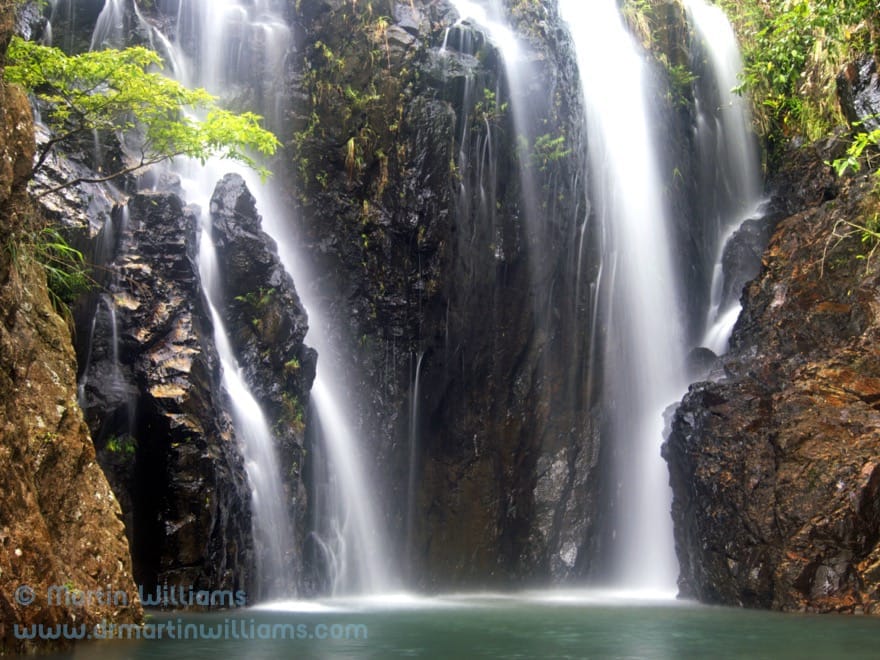
 Exploring Hong Kong's islands, you can stroll along narrow streets, hike trails across hills and headlands, admire waterfalls, and relax on beaches.
Exploring Hong Kong’s islands, you can stroll along narrow streets, hike trails across hills and headlands, admire waterfalls, and relax on beaches.
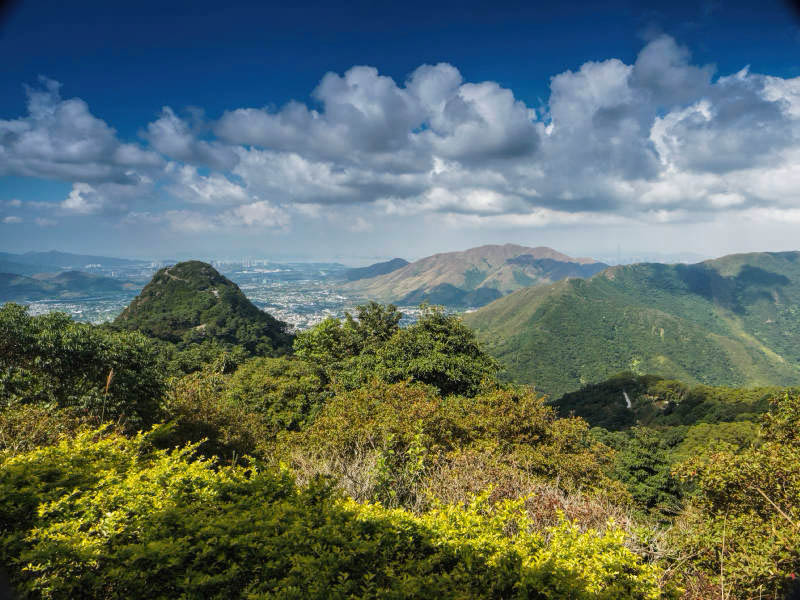
Though “Hong Kong” may conjure images of a metropolis crammed onto an island on the South China coast, there is far more to the territory than high-rises and busy streets. It’s in a superb natural setting, and Hong Kong Island is just one of over 200 islands and islets.
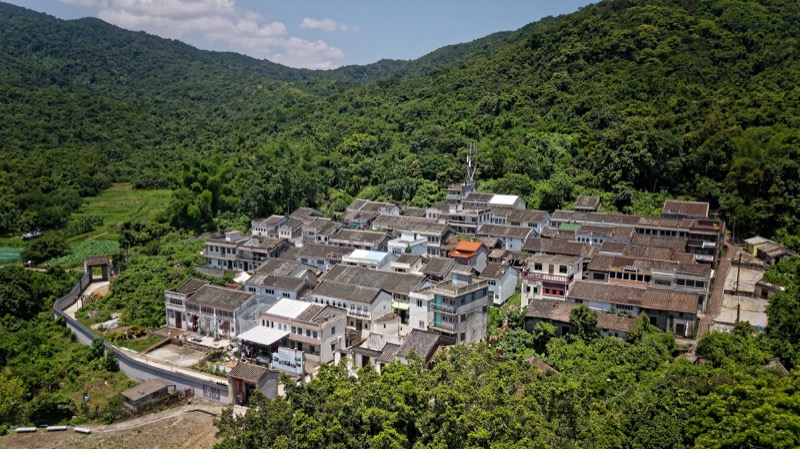
While many of these are little more than rocks, there are islands that are home to thriving communities, and others where villages are partly or wholly abandoned. Exploring them, you can stroll along narrow streets through warrens of small houses, hike trails across hills and headlands, admire waterfalls, and relax on beaches in deserted coves.
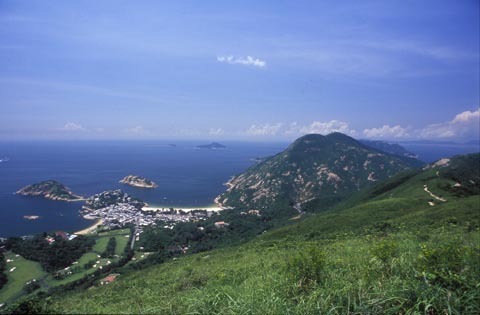
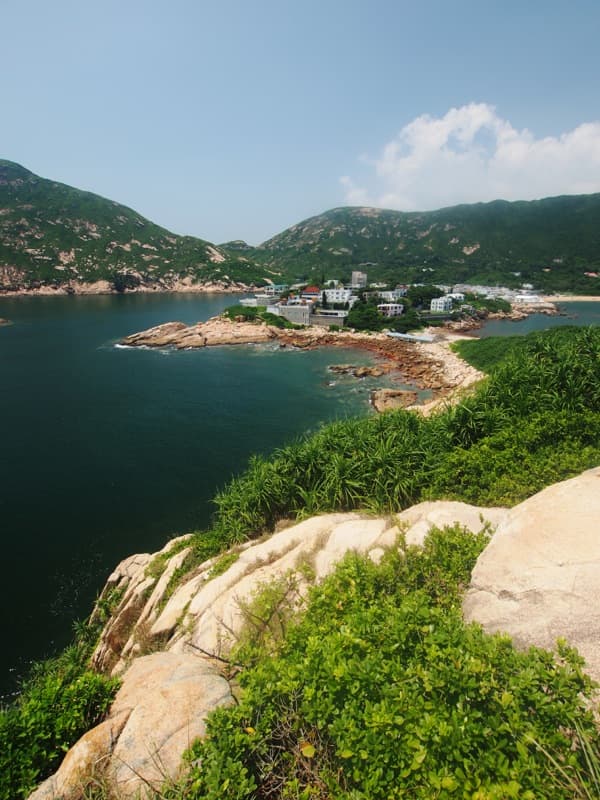
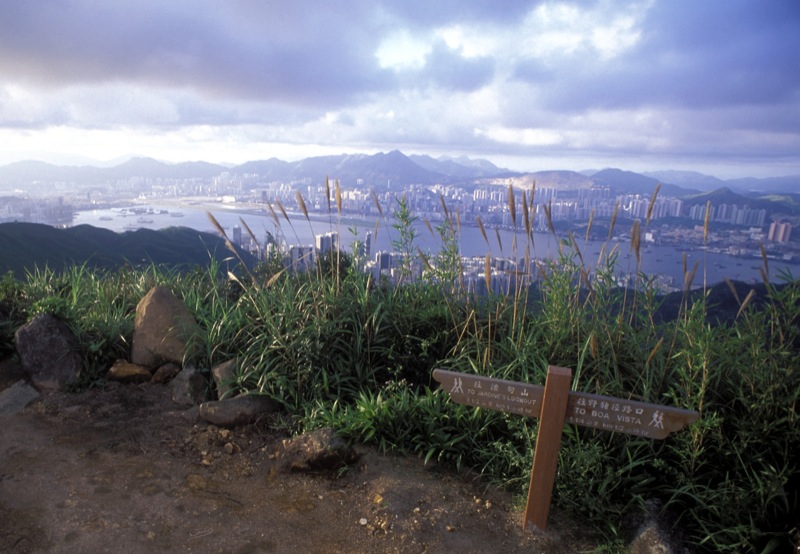
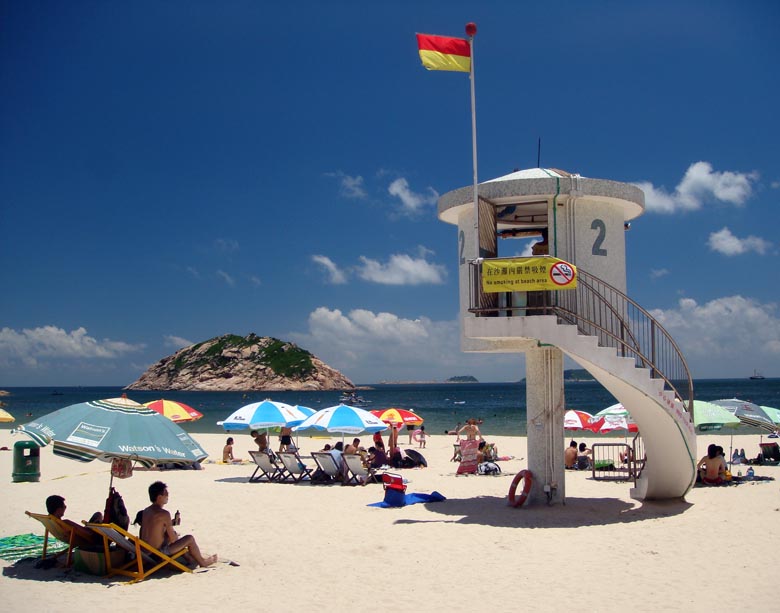
Even Hong Kong Island has marvellous places beyond the city. One of Hong Kong’s most rewarding short hikes leads up Dragon’s Back, a ridge that ripples above the island’s east coast. You can follow a gentle trail through woodland, then climb steps to the crest of the ridge. On a clear day, there are scintillating views of islands dotting the South China Sea, and of the coast below, where a beach is tucked into a small bay, and two other beaches flank a village that’s clustered around a rocky headland.
After hiking, ride a bus down to the village, Shek O, for a cooling swim if it’s a hot day, or – if an east wind is blowing – watch surf pounding the tip of the headland.
Lantau – largest and most beautiful of Hong Kong’s islands
The largest and most beautiful of Hong Kong’s islands is Lantau. Set in the mouth of the Pearl River, it has rugged terrain that long limited settlement. Buddhist monks were drawn by the beauty and serenity, and established so many temples that Lantau became known as the Island of Prayer. Stretches of the north coast have recently been transformed, by a new town, highway and railway associated with Hong Kong’s current airport, which was built by levelling most of a nearby island. But elsewhere, Lantau is mostly rural, with villages dotting the coastline, streams carving deep valleys into the rough-hewn hills.
The prime destination for visitors to Lantau is Ngong Ping, where a monastery nestles in a plateau ringed by hills, and there’s a statue billed as “the world’s largest seated, outdoor bronze Buddha” – known to most people as the Big Buddha. Tourists may throng the monastery and Buddha [well, during Covid pandemic, the “tourists” are mostly Hong Kong residents]. But Ngong Ping has paths to places where you can escape the hustle and bustle, with vantages for admiring mountains and sea.
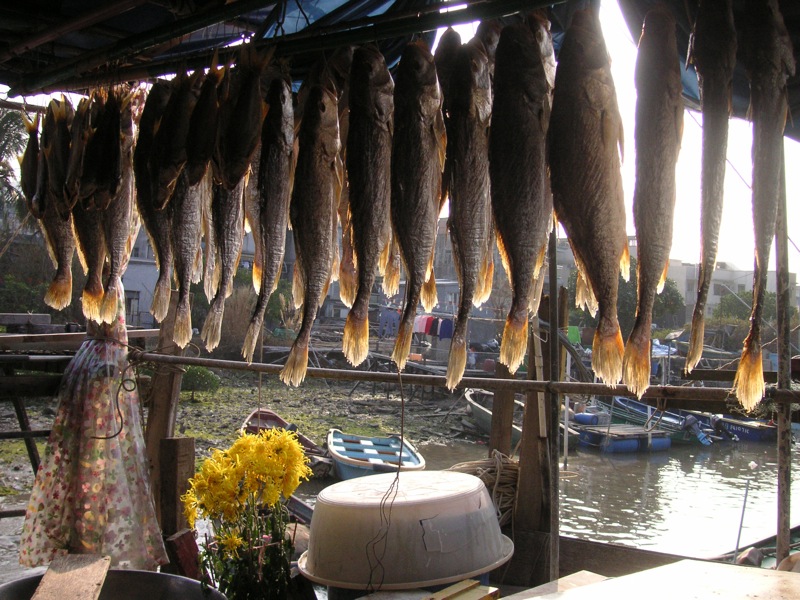
Down from Ngong Ping, a road leads to Tai O, a village on Lantau’s west coast with houses on stilts lining a tidal creek. The narrow streets are restricted to pedestrians. Stalls sell fresh fish, assorted dried seafood, and pungent, locally made shrimp paste. Two folk museums display old fishing gear, and information from an era when Tai O was important for salt production.
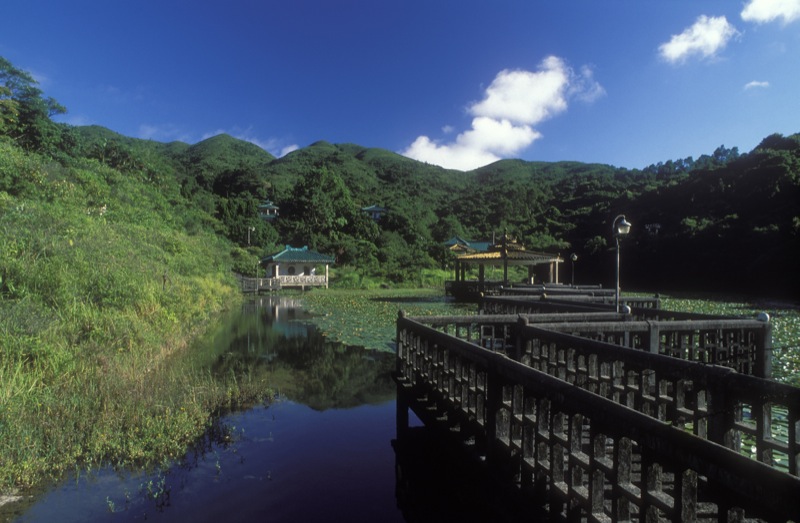
Few tourists explore southern Lantau, yet there is much to see and do. Surely the most surprising place here is Ng Yuen, a Chinese style landscaped garden in the hills that you can only reach by hiking. If the garden happens to be open, you can cross a tiny bridge over a stream, to walk through shrubberies and past buildings that are now little used. Otherwise, stand outside to view the carp pond with its zigzag bridge; maybe toss some bread into the water to feed the colourful fish.
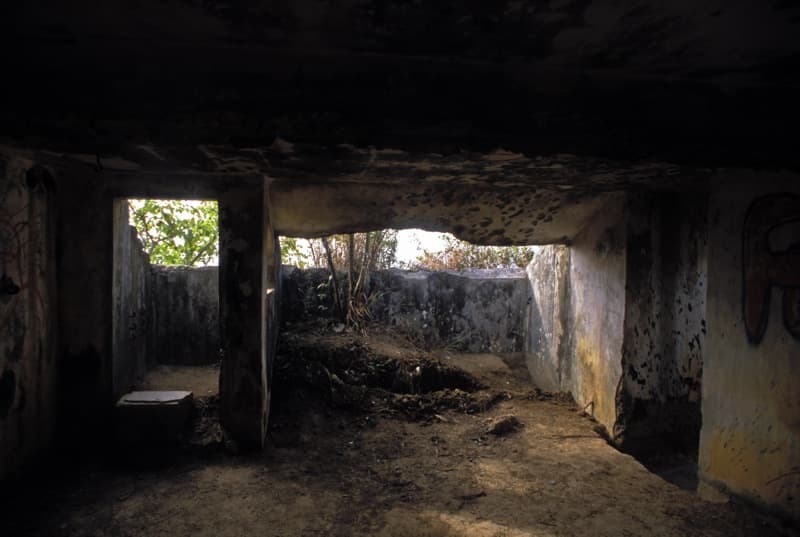
If you have energy for a longer trek, there’s a trail down to an old fort on the coast. This once housed Qing dynasty soldiers who watched for marauders, but today is in ruins, silent witness to ferries that pass offshore, shuttling between Hong Kong and Macau.
Further west is Cheung Sha – Long Sands, which is great for a gentle walk with views of hills and South China Sea, and has a row of small restaurants just above the tideline: ideal for a laidback meal during which you might fancy yourself in a tropical resort rather than Hong Kong.
Smaller islands including Cheung Chau and Tung Ping Chau
There are smaller islands scattered around Lantau.
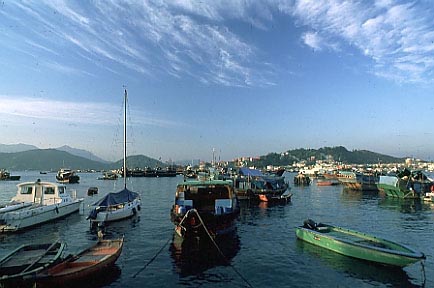
The most populous and, arguably, most interesting of them is Cheung Chau. It’s roughly dumbbell shaped, with three-storey houses lining a beach and a fishing boat harbour, and packing hillsides within a few minutes’ walk of the ferry pier. The only car is a police car, the main fire engines are glorified quad cycles, and beyond the village are paths by huge freestanding boulders, and a tiny cave named after Hong Kong’s most infamous pirate, Cheung Po-tsai.
Eastwards, away from the Pearl River, Hong Kong’s coastal waters are oceanic, and corals grow in sheltered places. You can take small boats to several islands, and walk meandering trails past fishermen’s houses, temples and even an old church. But other islands are more forbidding, carved by elemental forces like the monstrous waves that slam exposed shorelines during typhoons. Wang Chau is especially dramatic. Ringed by cliffs of columnar-jointed rock, it’s like a natural fortress.
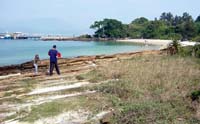 The easternmost of Hong Kong’s islands is Tung Ping Chau, which is closer to the coast of mainland China than to the rest of Hong Kong. Unusually among Hong Kong islands, it’s made of sedimentary rock, and layers of mudstone have eroded away to form an almost level interior. Up to 3000 people once lived here, but it was largely abandoned as farming became uneconomic, and nowadays there may be just one elderly resident, with some former islanders returning at weekends and during public holidays to run small hostels and restaurants in solid old houses. There’s a pleasant coastal circuit, and short trails lead to ruined hamlets amongst trees.
A marine park surrounds Tung Ping Chau. From a beach on the east coast, you can snorkel in the shallows to discover an underwater landscape of coral plates and “castles”, with a host of urchins and small but colourful fish.
In the late afternoon, a small ferry trundles back towards the city. It’s almost like taking a time machine, journeying from an island out of time, right into the 21st century. En route, you pass more of Hong Kong’s South China islands, holding secrets for you to discover during another day’s exploring.
Great info
I’m going to Hong Kong for my first visit in 2 weeks. I can’t wait and I hope the weather is good. I was wanted to do some hikes but couldn’t find much information… until I found this web site. Thanks for publishing this great info! Michael Hansen www dot mahansen dot com
[Edit – Thanks Michael; hope the info helps; maybe can later swap links, say; trip reports from you v welcome – Martin]
Your Expert Opinion>
I’m looking at the Dragon’s Back trail on GoogleMap. How does one get from Shek O Peak to Shek O village? Is there a path down what looks to be a very steep hill? (When I’m visiting HK in December) I plan to start at Chai Wan MTR, walk along Lin Shing Rd, thru the cemetary up to Pottingers Gap, walk along Mt Collinson and Wan Cham Shan, along Dragon’s Back to Shek O peak…then hopefully down to Shek O for food and a ride home. Thanks a lot for your thoughts Margaret in TOronto EveleighMD [at] aol.com
To Shek O from Dragon’s Back
Hi Margaret:
I think it best to walk down to Shek O Road, then bus to Shek O (best if have an Octopus card with you; no need to faff with change)
Martin