Outlying Islands

Shek Kwu Chau is a quirky island

shek kwu chau Lying just west of Cheung Chau, off the southern coast of Lantau, Shek Kwu Chau (石鼓洲) is one of the quirkier islands in Hong Kong.

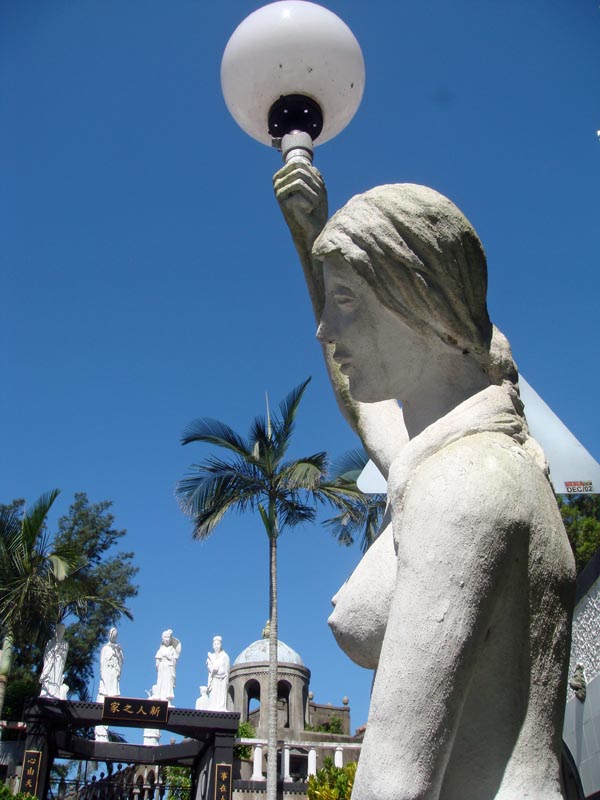
This is largely thanks to the efforts of people in the Shek Kwu Chau Treatment and Rehabilitation Centre: both staff, and reforming drug addicts staying there. They've built various statues, shrines, a pool like a Roman bath, and various other sometimes fanciful structures.

You need a permit to visit the island, which is just a few minutes boat ride from Cheung Chau.

Sharp Island (橋咀洲)

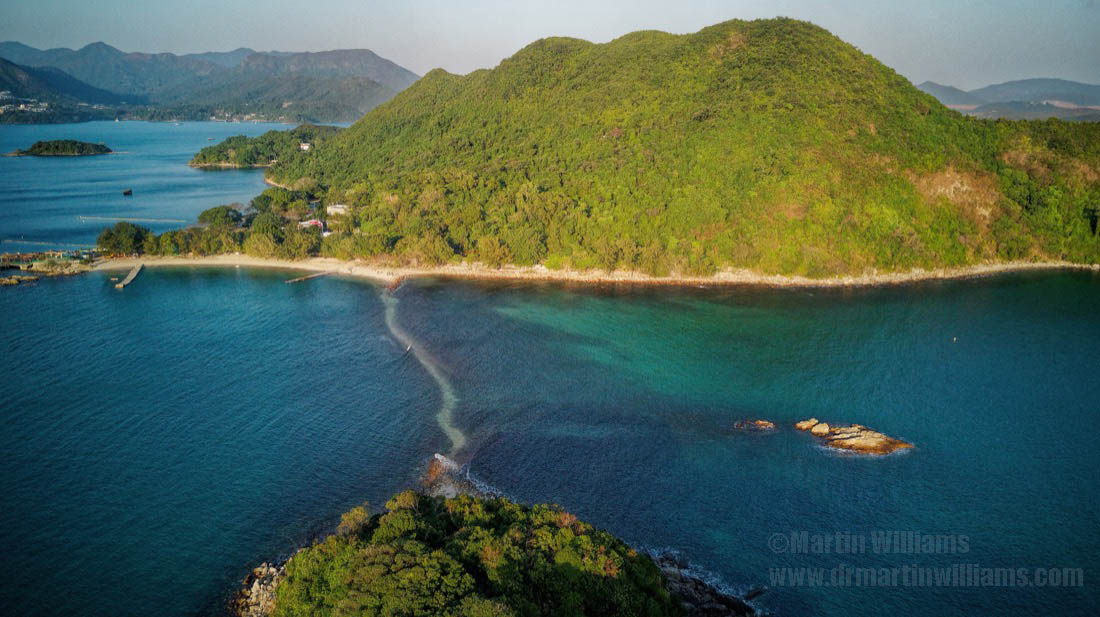
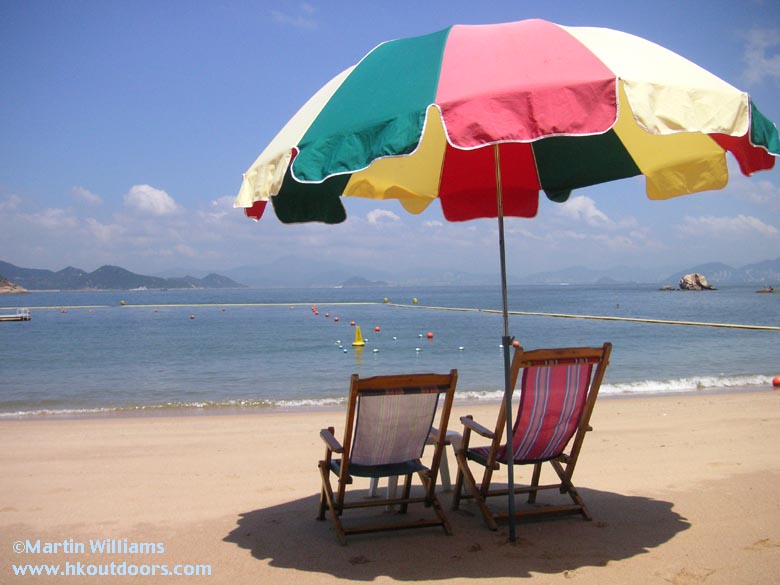
Much of Sharp Island (Kiu Tsui Chau, 橋咀洲), together with seven islets off its northeast and northwest coasts, is country park. Though you can hike here, Sharp Island and its neighbours are most popular for activities focused on the shore and marine environment – especially swimming at two of the best beaches near Sai Kung, as well as snorkelling over coral.

Soko Islands (索罟群島)

Even as Korean farmers are staging a diversionary action on Hong Kong Island, Nick "the Civet" G and I stand on a pier on Cheung Chau, about to play our role in sabotaging a facility to the west.

A call to my mobile, and our vessel dodges by the main pier, berths, and we board, joining the other members of our crack team - one of whom has grown a huge beard as disguise.

Nearing the exit to the typhoon shelter, the skipper guns the engines, and we're off!
Destination: the Soko Islands (索罟群島).
Mission: scupper plans for a liquified petroleum gas (LPG) terminal. [Note - added September 2008: China Light and Power has announced that it has cancelled plans for the terminal, after the government reached an agreement with the mainland re gas supplies. Hooray!!!]]

Lamma Island

Lying just west of Hong Kong Island, Lamma Island (南丫島) has a reputation as a hippie haven. This image is perhaps outdated, but Lamma does offer a great contrast to the city, and its six thousand or so residents include a fair proportion who have come in search of an alternative lifestyle: maybe focusing on arts and crafts, or wanting to live somewhere rural whllst commuting to a city office.

Over 80 percent of Lamma folk inhabit the north of the island, especially in and around the largest village, Yung Shue Wan. With no cars or trucks on the island (apart from in the giant power station complex, that is!), this is a pleasant place to wander around - even the "Main Street" is just a footpath, leading from the ferry pier and past waterfront shops and restaurants.

Though the south of the island offers Lamma's best hiking, there is a pleasant, easy walk from Yung Shue Wan in the northwest, south to the village of Sok Kwu Wan on the central east coast. As there are ferries serving both places, you can readily catch a ferry to one of these villages, walk to the other, then return to the city. Here are some photos and notes from places en route (YSW to SKW).

Cheung Chau (長洲)

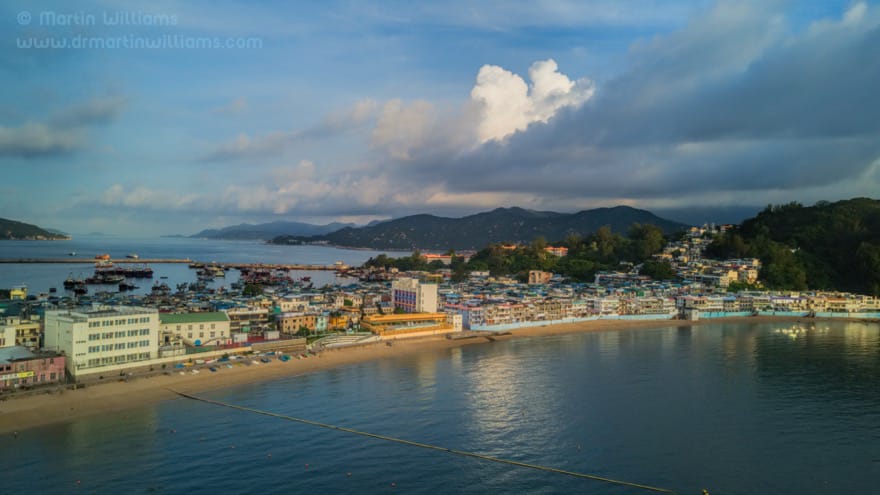
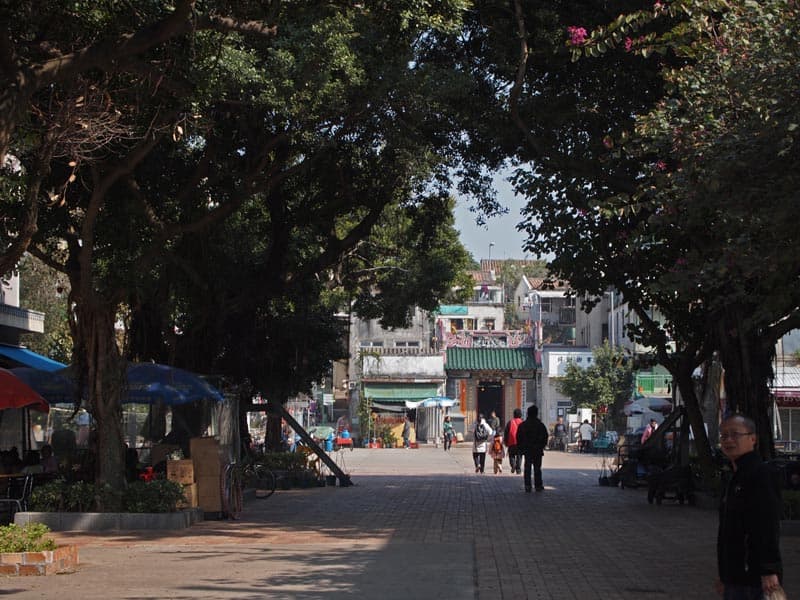
Cheung Chau (長洲) looks tiny on a map of Hong Kong, yet - like the interior of Doctor Who's Tardis (Doctor Who? - official site) there's far more to it than may first appear. With coastal trails, beaches, small rural valleys, and a village dotted with temples but with only one (police) car, Cheung Chau boasts plenty to see and do in a day; and plenty to eat once you've seen and done.

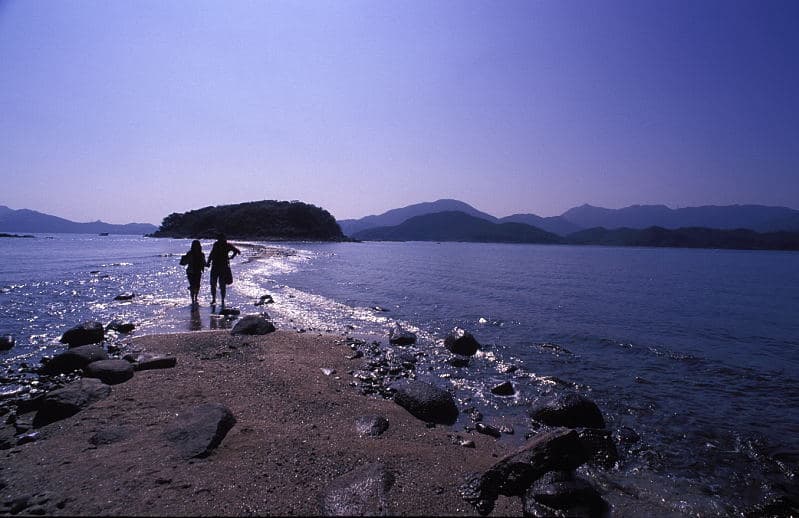
Though its name means Long Island, Cheung Chau is better described as roughly dumbell-shaped, formed from a north-south aligned spit that connects two big chunks of granite.

With a natural harbour to the west of the spit (now protected by breakwaters), Cheung Chau has become home to one of Hong Kong's main fishing communities, lately boosted by commuters who've made it home.

Po Toi (蒲台島)

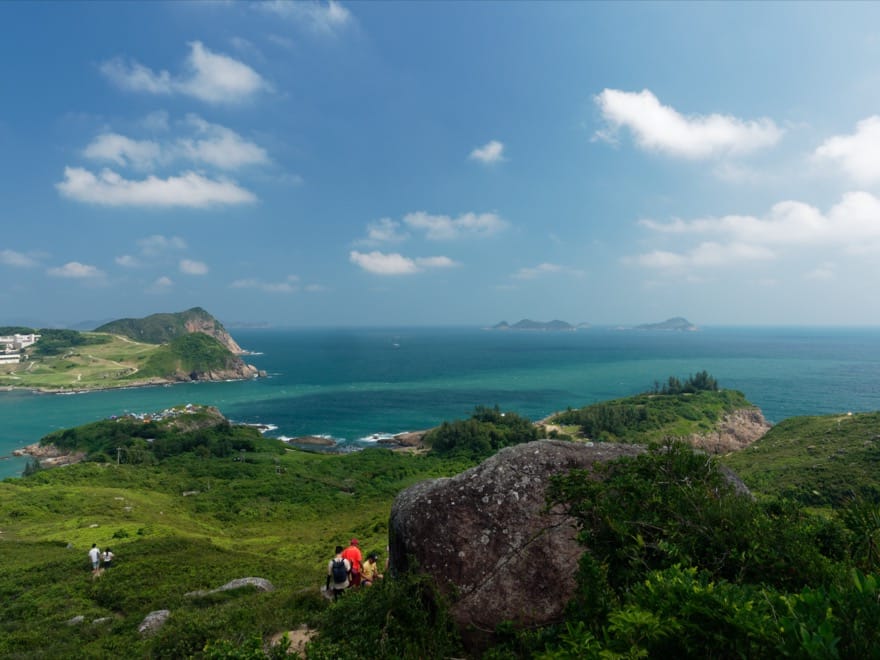
Though it lies just three kilometres off the southeastern tip of Hong Kong Island, Po Toi (蒲台島) is one of those places that are easily overlooked when planning a rural outing. It is popular with junk parties - who gorge on seafood in restaurants set in a sheltered cove, and perhaps muster the energy for a waddle to a temple. And boatloads of day-trippers arrive on Sundays and public holidays, and are frog-marched along trails past the main scenic spots.

But Po Toi deserves more attention; especially in summer, when the hiking here is just sufficient to be taxing in the heat, and there are days when you can appreciate the setting of this and a host of other islands in the tropical, South China Sea.

Tung Ping Chau (東平洲)

ting ping chauOne of the more ridiculous Hong Kong Government announcements (and, yes, that's saying something) has a conversation between a wife and her stressed husband; she suggests he takes "a holiday to the Internet". Far better - assuming they're staying within Hong Kong - would be to head to the islet of Tung Ping Chau (東平洲), which is pretty much the furthest you can get from the city without needing your passport.

Tung Ping Chau is set in the east of Mirs Bay, too distant for most Hong Kong maps to show it properly (it may appear in an inset box, off the northeast New Territories). Unless you own or rent a boat, the journey there is by a 1.5-hour ferry ride, with ferries only on Saturdays and public holidays.

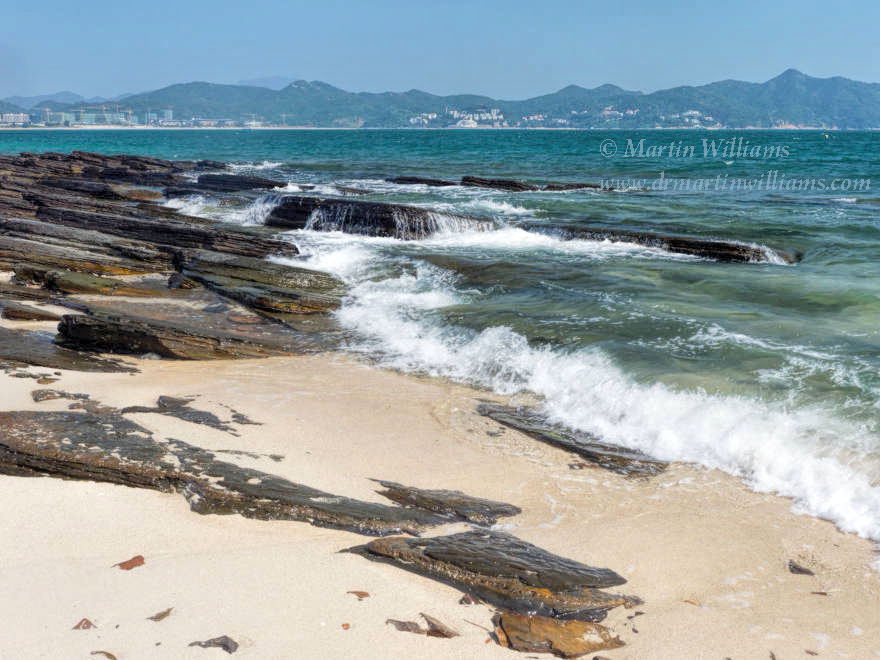
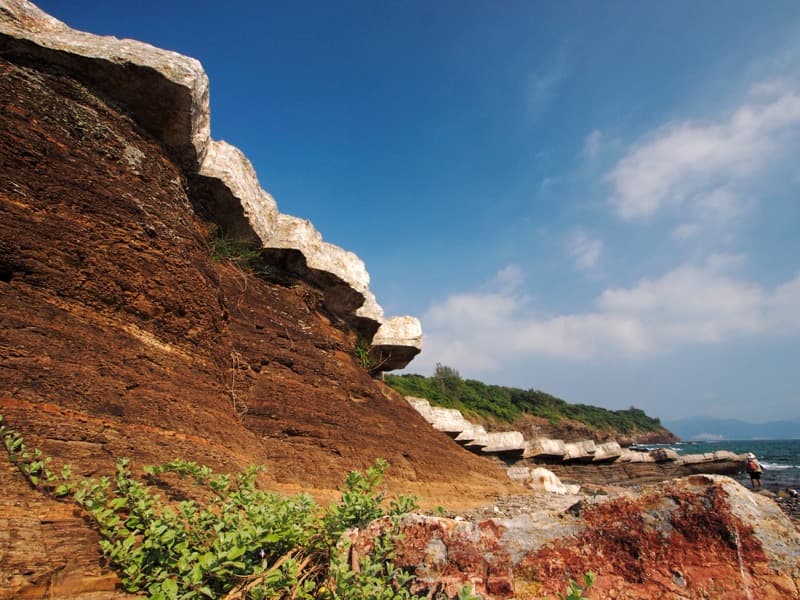
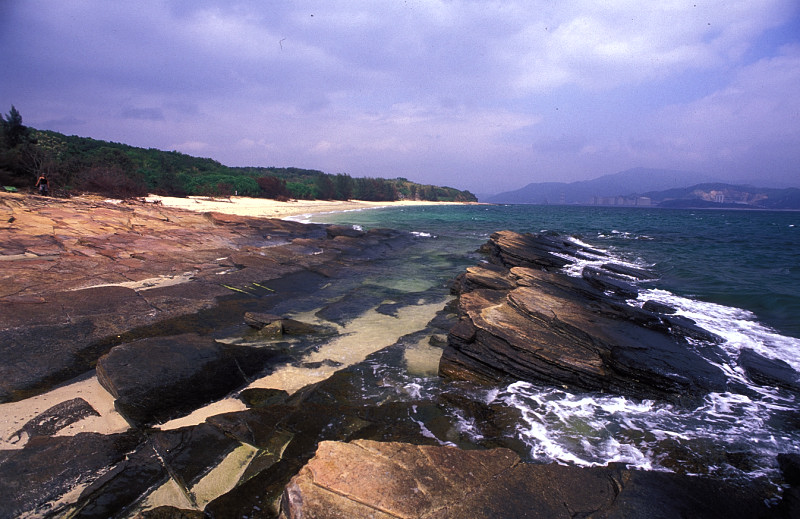
Though only 2km long, and relatively flat (rising to just 48 metres), Tung Ping Chau makes for a cracking - and relaxing - day out, or even overnight stay. There's a fine beach, with coral heads just offshore; hamlets dot the island, some of them intact, others in ruins; trails wind through the hamlets and old woods and fields, and skirt the top of cliffs.

Syndicate content