Canvas and art prints:
Hong Kong birding sites inc Long Valley and Tai Po Kau
 There are many good birdwatching locations throughout Hong Kong.

There are many good birdwatching locations throughout Hong Kong.
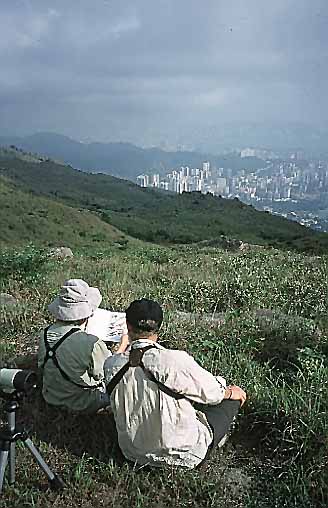
Note that birding in HK is best from around mid September to early May. In summer, birds are relatively sparse, and the heat and humidity quickly sap energy (if you wish to try watching birds at this season, it may be best to include at least one high location, such as Tai Mo Shan, where the temperature should be a little lower; perhaps also try ferry rides to and from an island such as Po Toi in the hope of terns and maybe other seabirds). Not that it’s always comfortable either side of summer, especially as temperatures rise with global warming.
If you’re a first-time visitor to HK who’d like to spend a day birdwatching here, the best itinerary would include Mai Po Marshes Nature Reserve, along with Tai Po Kau Nature Reserve and Long Valley Nature Park. And if you’re here in spring or autumn, especially, Po Toi Island and Lantau island are well worth a try for migrants.
Mai Po – in the Deep Bay wetland
Mai Po Marshes Nature Reserve is Hong Kong’s premier birding locality; I’ve covered it in Birding at Mai Po Marshes on this site.
Deep Bay Fishpond areas including Nam Sang Wai
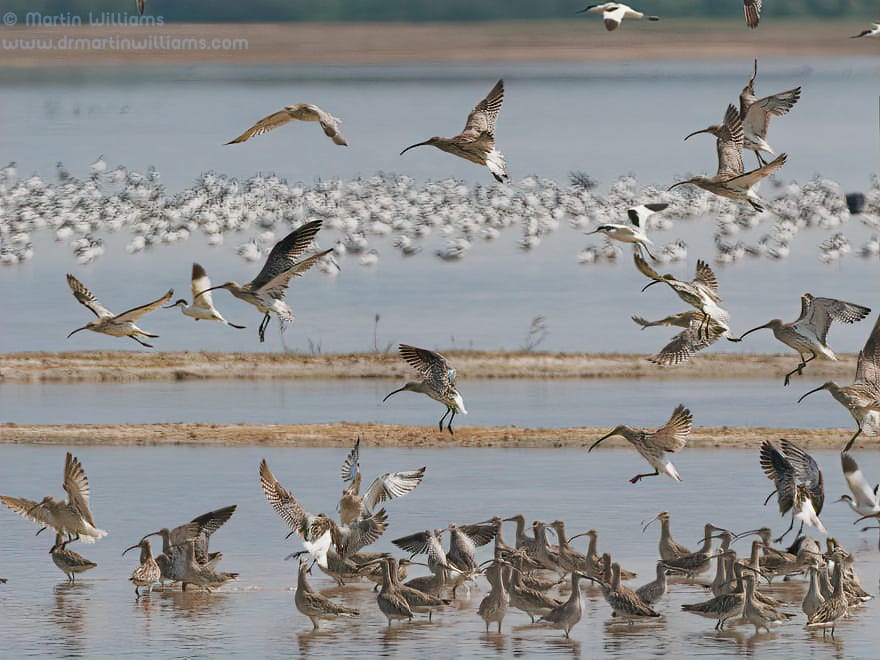
Lying to the east of Tsim Bei Tsui, and west of Mai Po, Nam Sang Wai is an area with wetlands and can be worth a visit. There’s an expanse of old fishponds; somewhat moribund lately Ias land maybe owned by developers, and plans for development yet to be realised) – popular with photographers, including “shooting” wedding couples in romantic looking rural scenes.
For birding, the best part is in the north, where you can overlook tidal mudflats at the confluence of two creeks entering Deep Bay. Can be good for estuarine birds, including Black-faced Spoonbill.
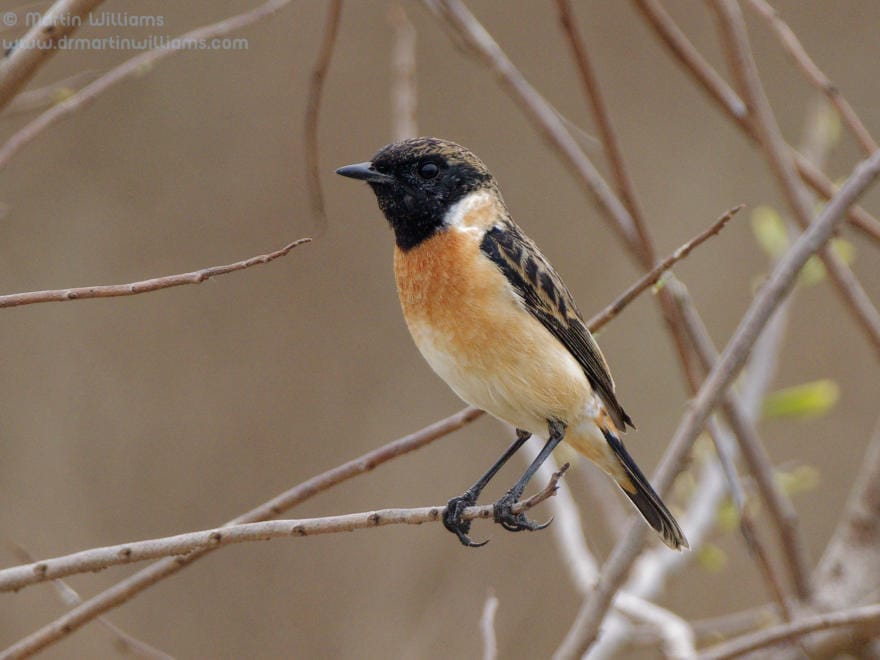
Good fishpond areas also include Fung Lok Wai; and San Tin. For the latter, head along the narrow San Tin Tsuen Road, north of a village area, and look for a small footbridge across a channel just north of the road. Then, walk along the dirt track between ponds, and keep going towards the Shenzhen high-rises in front; at a T junction can opt to turn left or right before continuing north.

Long Valley Nature Park
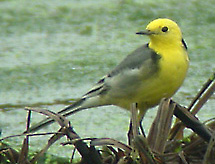 There is a good mix of habitats at Long Valley, including freshwater marsh and farmland. Pintail and Swinhoe’s snipes, Greater Paintedsnipe, Wood Sandpiper and Long-toed Stint [less often nowadays?] may be found in the marshy areas, while there are also birds of farmland and open country such as Red-throated and Richard’s pipits, Eastern Yellow and (rare) Citrine wagtails, Spotted Munia, and buntings including Yellow-breasted Bunting.
It was originally an “accidental” birding hotspot, but a major project has created the Long Valley Nature Park, which opened in November 2024. It’s popular with visitors, with quite intensive work on farming and other management – leading to those birds that do linger being very tolerant of people, making for some fine photo opportunities. I’ve also done a post about rather low bird diversity at Long Valley Nature Park, with ideas for improvements; various photos of birds there if you skip to the end.
The main access is at Yin Kong, a small village that’s a short taxi ride from Sheung Shui station.

Other areas I recommend – especially if you can spend more than one day birdwatching in Hong Kong – include:
Forests: Tai Po Kau Nature Reserve
Tai Po Kau Nature Reserve boasts the best forest in Hong Kong. Birdwatching can be frustrating here, but rewards include some of the SAR’s most brilliantly coloured birds, such as resident Scarlet and Grey-chinned minivets, Orange-bellied Leafbird, Yellow-cheeked Tit, Scarlet-backed Flowerpecker and Fork-tailed Sunbird.
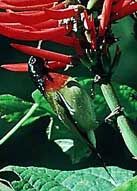 There are also Crested Goshawks, Rufous-capped Babblers, Chestnut Bulbuls, Rusty-cheeked Scimitar-Babblers, Black-throated and Greater Necklaced laughingthrushes.
Some of these species may have originally been of captive origin – it’s hard to say for sure for species occurring nearby in China, but others such as Velvet-fronted Nuthatch, Blue-winged Minla and Silver-eared Mesia are surely descended from captive birds that have escaped, and are now prospering here.
It surely helps such species that Hong Kong was largely deforested by the turn of the last century; the forest at Tai Po Kau mostly dates from around the mid 20th century, and has been colonised by many escapees, as well as species formerly occurred as winter visitors, such as the two minivets and Chestnut Bulbul.
Colonisation is ongoing; Pygmy Wren-Babbler was fairly recently discovered in Hong Kong, but several have been recorded since – mostly thanks to the distinctive, two-note whistle song of this very skulking little bird. Mountain Tailorbird was similarly new to the territory a few years ago, but is now fairly easily heard (it seems to skulk in cover, so isn’t simple to see). Hainan Blue Flycatchers also seem to be “enjoying” the forest renaissance, becoming relatively common. Bay Woodpecker, Speckled Piculet and Chinese Barbet have also arrived.
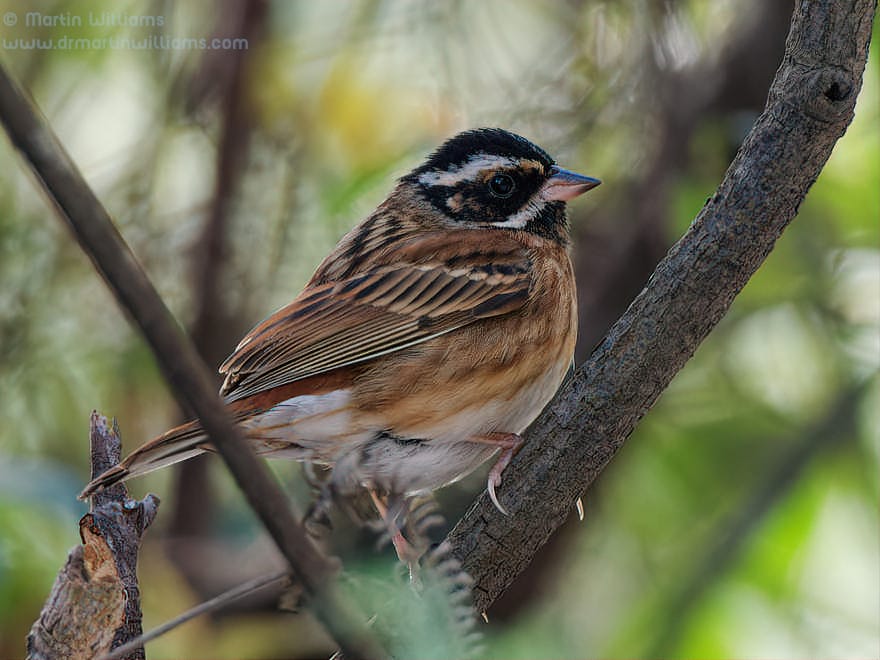
Winter visitors include Grey-headed Flycatcher, and elusive Grey-backed Thrush, Red-tailed Robin and Tristram’s Bunting; April brings spectacular flycatchers, including Japanese Paradise, Blue-and-White and Narcissus flycatchers. Hainan Blue Flycatcher and Large Hawk Cuckoo are among the rather few species that arrive to breed in summer.
More forest: Tai Lam Chung Country Park
On the west slope of Tai Mo Shan, Kap Lung Forest Trail leads to forested slopes that have yielded some excellent bird records, even evident on sites marked on Google Map. There’s even the “Magic Valley” as it’s known to birders, including a place where the trail crosses a small stream, then almost doubles back on itself.
The variety of species is usually lower than in Tai Po Kau, but there may be good numbers of migrants in autumn, and local rarities such as Siberian Thrush and Japanese Robin may occur.
Islands for migrants: Po Toi
Po Toi Island (article on this site), lying south of Hong Kong Island, is another island that is good for birding during migration seasons, again with a chance of seabirds during the crossing or while seawatching from a headland. Here, too, there are ferries on weekends and public holidays, also some weekdays; though it’s possible to hire a junk for a group visit.
The island proved superb during spring 2006, thanks partly to Geoff Welch, a birder who rented a place there. Started with Orange-breasted Green Pigeon and Chinese Song Thrush in March; later impressed with overall mix of songbird migrants such as flycatchers, warblers; migration generally good, with records including HK record count of 1400 Chinese Goshawks migrating one day, 900 terns of nine species another day. Smattering of Brown Hawk Owls – otherwise rare in Hong Kong. Other seabirds too, inc Short-tailed Shearwater – occasional sightings, then 80 in a raft on 17 May (a typhoon close); May also produced reports of Bulwer’s Petrel and Little Pied Flycatcher – both previously unrecorded in Hong Kong.
It has since become a key local hotspot, and is especially worthwhile with winds from around the east in spring, plus rewarding in autumn; worth a visit in winter, too. Not much to see in summer, though the ferry passes a rocky islet with breeding Black-naped, Roseate and Bridled terns.
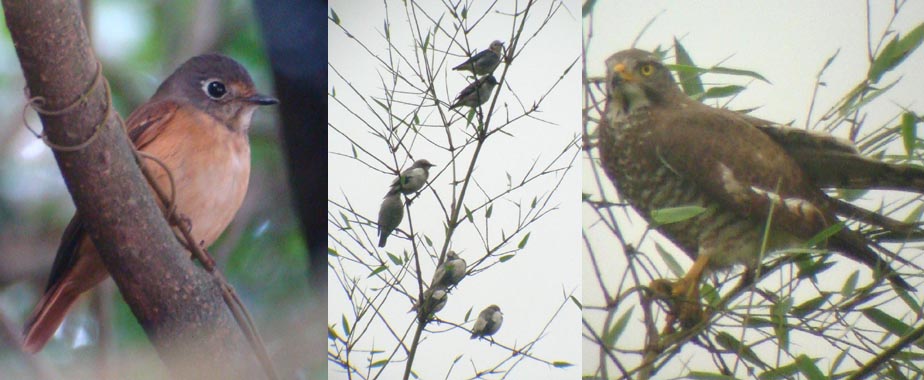
The main places for finding landbirds are small fung shui woods near the main pier and small village; the rest of the island is mainly covered in grassland and scrub. The southernmost headland can be good for seawatching.
If you are interested in seabirds, maybe check with HK Birdwatching Society if there are any hired boat trips to the island and nearby waters that you might be able to join (for share of costs).
Another island for migrants: Tung Ping Chau
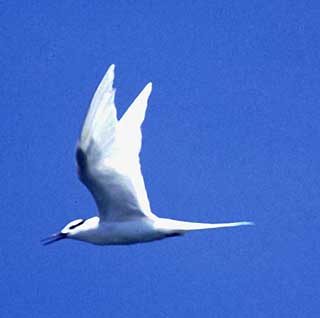 Tung Ping Chau is more remote than Po Toi – it’s an island in the far northeast of Hong Kong (see Tung Ping Chau article elsewhere on this site). Ferries run only on weekends and public holidays; Saturdays are better for birdwatching, as there are fewer people. Though sometimes quiet, the island can hold good densities of passage migrants, especially in spring when it can be one of Hong Kong’s best sites for flycatchers.
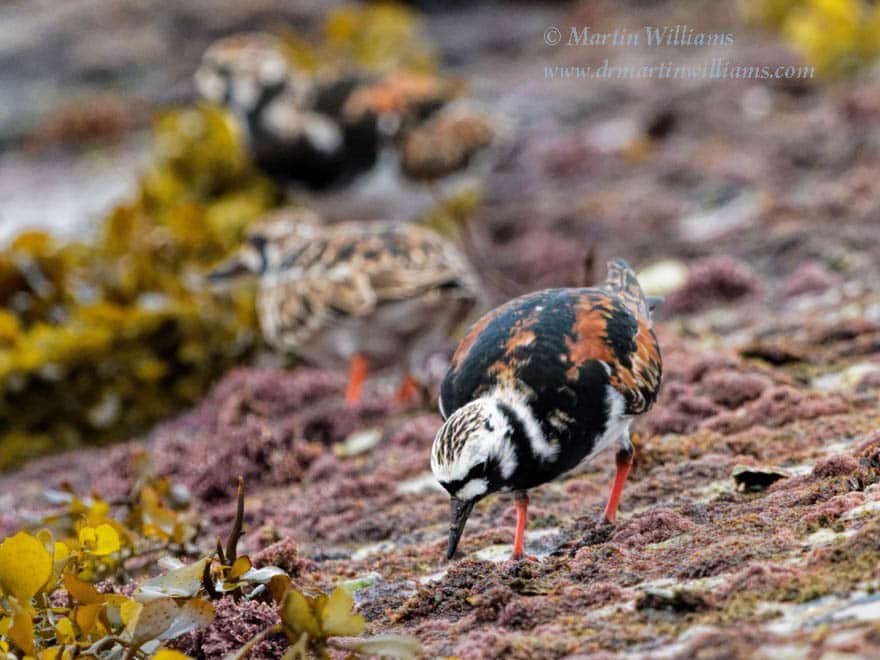
Check the small woods by existing and crumbling villages, and you might find birds such as Blue-and-white, Narcissus, Japanese Paradise, Mugimaki and Grey-streaked flycatchers, and other species perhaps including Pale-legged Leaf-Warbler and thrushes. There’s also a possibility of shorebirds, especially along the east coast.
There may be a few seabirds during the ferry journey – with some luck, these could include one or more of Ancient Auklet, Long-tailed Skua and, in later spring, Aleutian Tern.
Tung Lung Chau
Tung Lung Chau can also be productive for migrants, perhaps mainly in autumn.
While it’s possible to do some hiking here, including to the highest point, the main habitat is the narrow strip of woodland along the west coast; can also walk short paths to near a fort in the northwest.
Clear Water Bay Peninsula
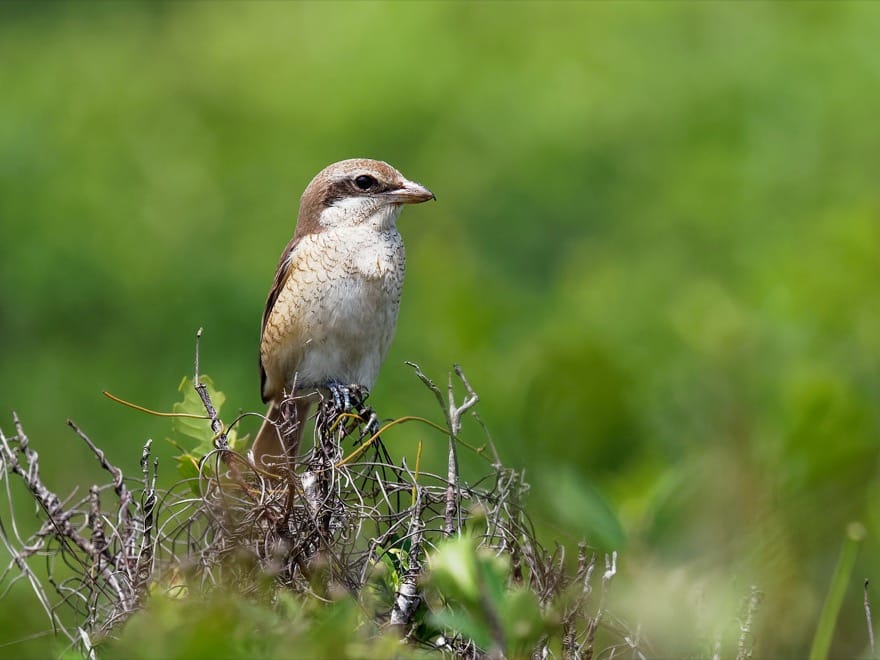
In recent years, birders have found the southeast Clear Water Bay Peninsula – near and above a kite flying area – is another migration hotspot. Watching for visible migration can be productive, plus songbird migrants may be found in fair numbers.
Lantau Island birding sites
Especially in recent years (written in 2023), Lantau Island has proven excellent for birding, especially for migrants.
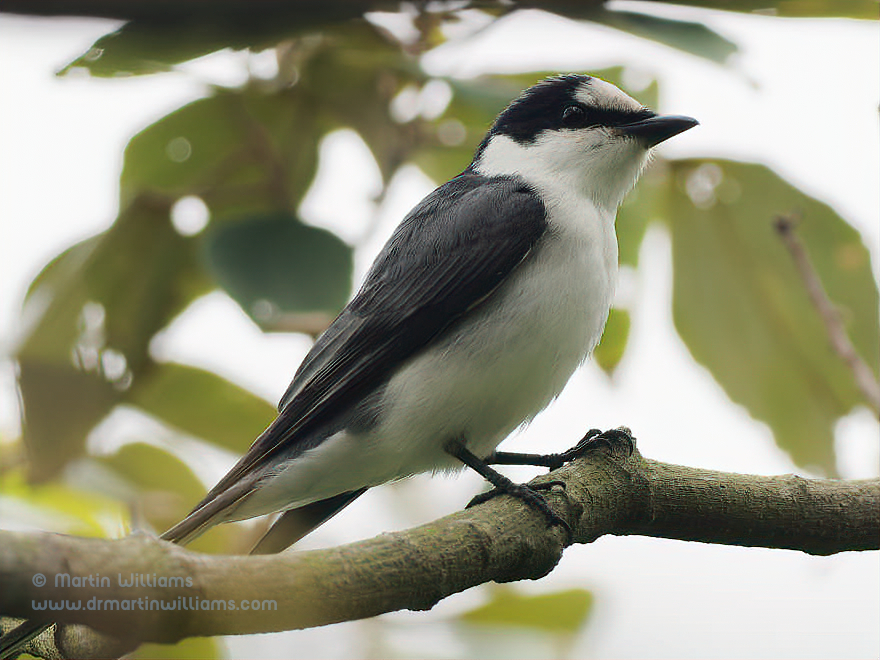
Fan Lau, at the southwest tip of Lantau, is a hotspot for migrants, albeit takes time to reach. There are areas of woodland, open grassy places near village houses, and the scrub/young woodland by an old fort can hold birds too. Plus there can be visible migration, with the fort perhaps a good vantage point to try.
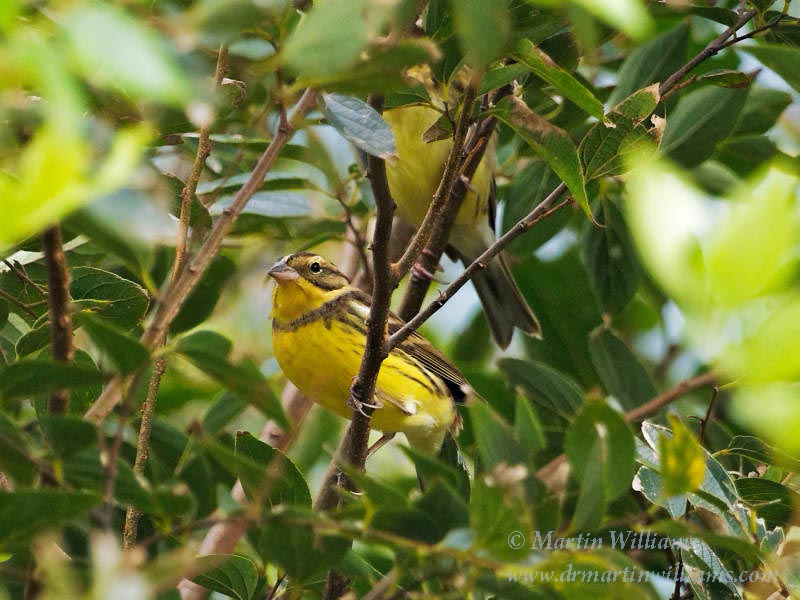
Between Fan Lau and to Tai O, there is Yi O – where rice paddies help boost the variety, with buntings and more. There are woods here, too; likewise the woods between Fan Lau and Yi O can be productive for flycatchers, thrushes and more; and even for Fairy Pitta in early autumn. The woods between Yi O and Tai O are not quite so productive.
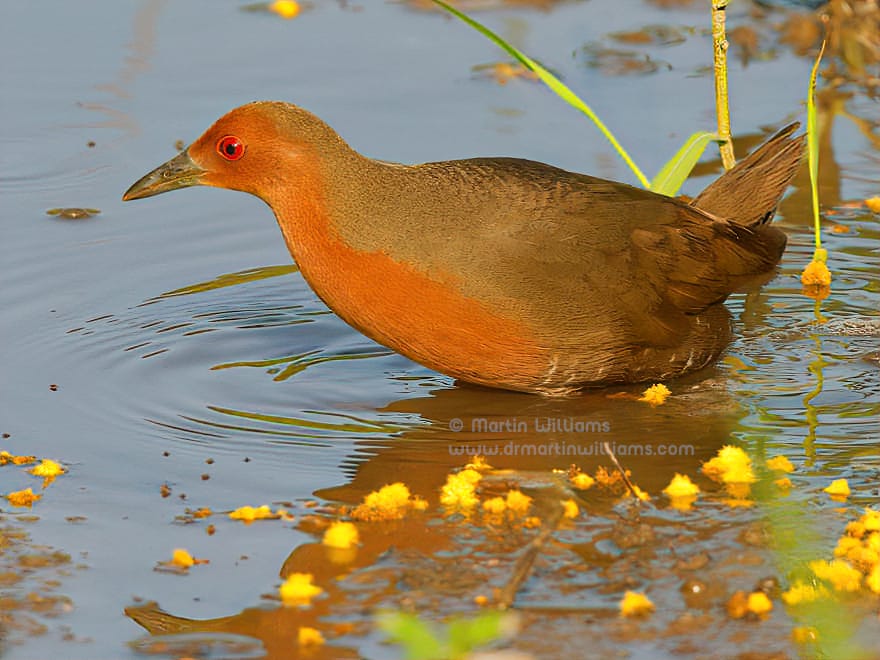
Pui O, southeast Lantau, has marshy abandoned paddyfields that host a variety of wetland birds, such as snipe, wagtails, Common Teal, with occasional rarities.
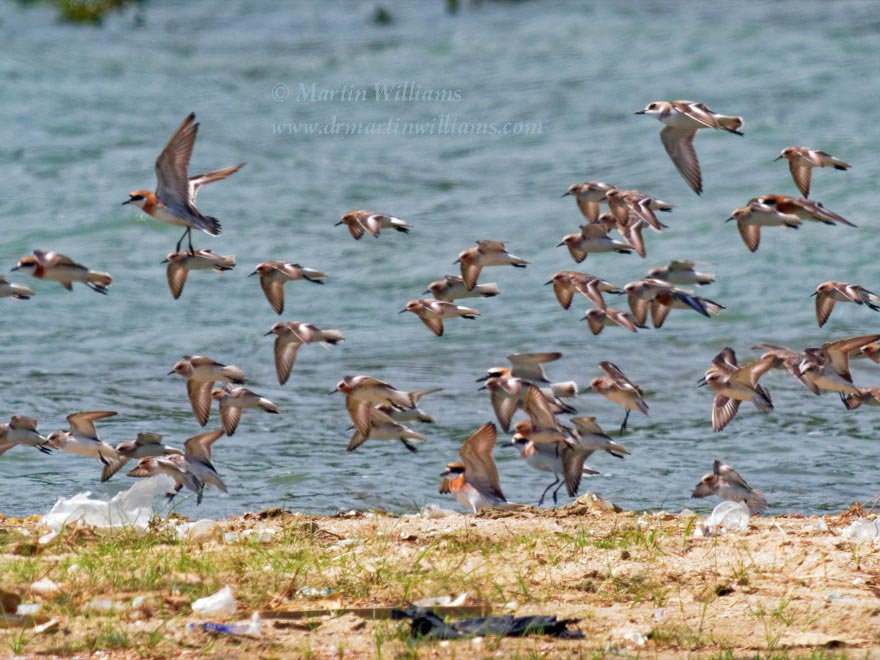
Shui Hau, on the south coast, has tidal mudflats/siltflats that can be good for shorebirds in spring. There are also marshy abandoned fields and small woods, and recently re-established rice paddies, which can attract a wide range of migrants such as flycatchers, thrushes, wagtails and far more. See Birds of Shui Hau on Lantau Island, Hong Kong, mainly for photos.
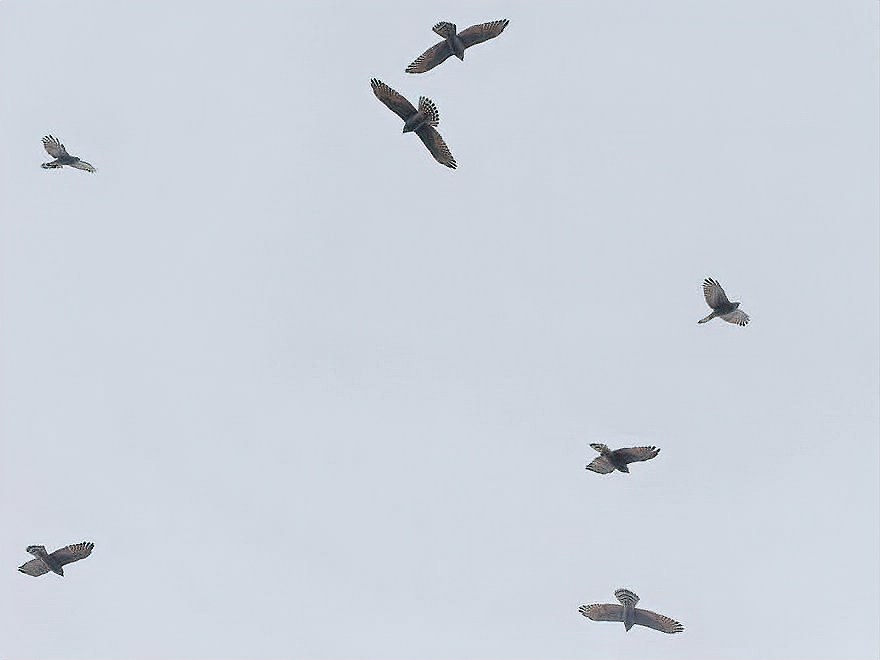
In the hills, the Ngong Ping area is evidently very good for visible migration of birds of prey, swifts and more (by Hong Kong standards, this is! – numbers are far below those of the world’s top watchpoints); Lion Head Mountain is a good vantage. The woods and scrubland at Ngong Ping also host songbirds, including thrushes, buntings, and flycatchers. See Birds of Lion Head Mountain and Ngong Ping on Lantau.
Urban hotspot: Ho Man Tin
In east Kowloon, this has become something of an El Dorado for mainly songbird migrants, with a remarkable diversity of locally scarce and rare birds – especially woodland thrushes, flycatchers, warblers and more.
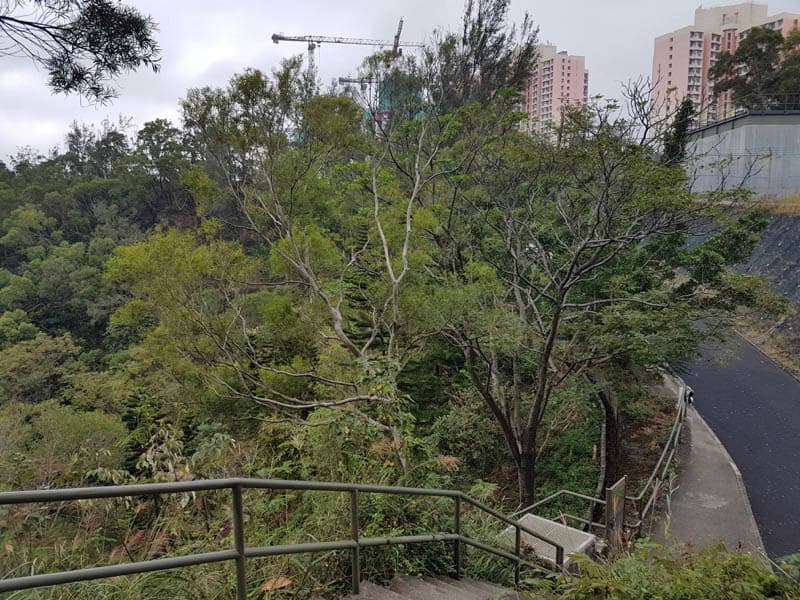
The main birding area is to the north of Ma Tau Wai Service Reservoir. Here, there are slopes with concrete coverings – to guard against landslides/erosion, with abundant trees, and various trails leading along them, plus flights of steps, a narrow road winding to the top.
Unlikely Site for Skulkers: Telford Gardens
Fairly close by, there’s another of Hong Kong’s migrant hotspots, which even the most experienced birders would judge appears woeful at a glance.

This is Telford Gardens, a private housing estate where high rises surround an open area with concrete, and scattered small manicured shrubberies and hedges, with just a handful of decent sized trees. Many people walk to and fro past here, so it would seem too disturbed to attract much that might be of interest.
And yet, Telford Gardens is somehow a magnet for a range of birds that typically skulk and lurk in vegetation in and by wetlands – like Pallas’ Grasshopper and Lanceolated warblers, and even crakes. These are tough to see anywhere else in Hong Kong, yet here they may roam under and sometimes on top of small hedges, maybe affording views down to a couple of metres or less.
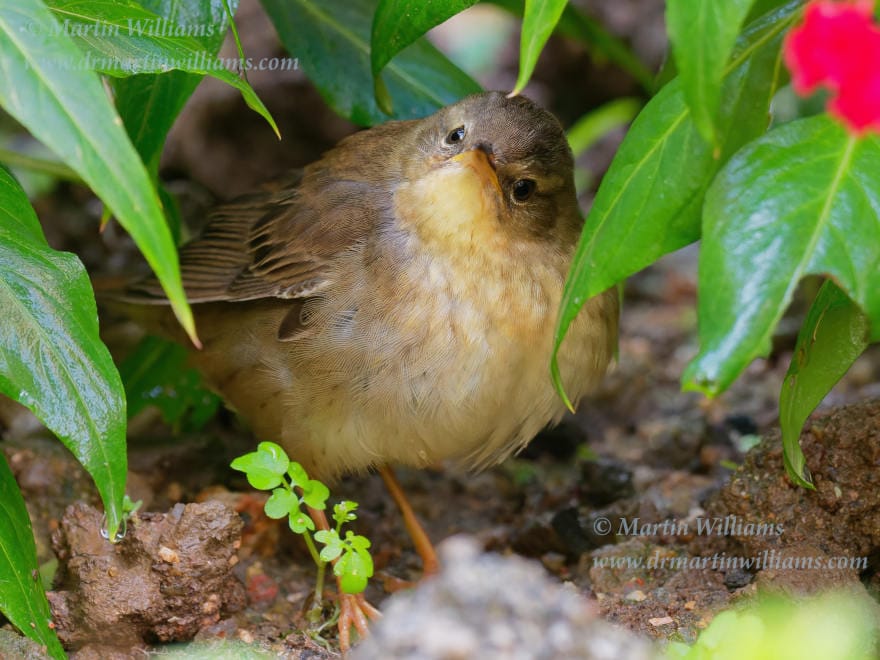
Local rarities occur too, such as Middendorf’s Warbler, Baikal Bush Warbler and Band-bellied Crake.
While other species have included Wryneck and Orange-headed Thrush, this is not really a site for more typical landbird migrants such as thrushes and flycatchers.
See also: Telford Gardens – Hong Kong hotspot for skulking birds.
Kowloon Park
This park is/was worth a visit for relatively easy birdwatching, with residents including Koel, Black-faced Laughingthrush, Magpie Robin, Black-necked Starling, Japanese White-eye, White-rumped Munia and Red-billed Blue Magpie. It’s a bit like an oasis in the city, and attracts winter visitors and passage migrants such as thrushes, flycatchers, and warblers (sometimes, individuals of normally shy species can be relatively easy to see here – in years gone by, these have included wonderfully “tame” White’s Thrush, Red-tailed Robin, Asian Stubtail and Siberian Rubythroat).
Seems, though, to have gone downhill as a birding site in recent years; maybe excessive pesticide spraying vs mosquitoes is a major issue, along with too much vegetation trimming to ensure “tidy” appearance.
High on Hong Kong Island: The Peak (Mount Austin)
 The Peak (Victoria Peak) on HK Island affords a chance to combine birding with sightseeing. If you stroll up Mount Austin Road from the Peak Tram station, you should enjoy classic views of the city and Victoria Harbour (weather and smog permitting!); as well as birding in woods and gardens including Victoria Peak Garden that hold species including Blue Magpie, Violet Whistling Thrush, and more elusive Black-throated Laughingthrush, Greater Necklaced Laughingthrush and Rufous-necked Scimitar-Babbler. There’s also a chance of interesting migrants and winter visitors, such as White’s Thrush.
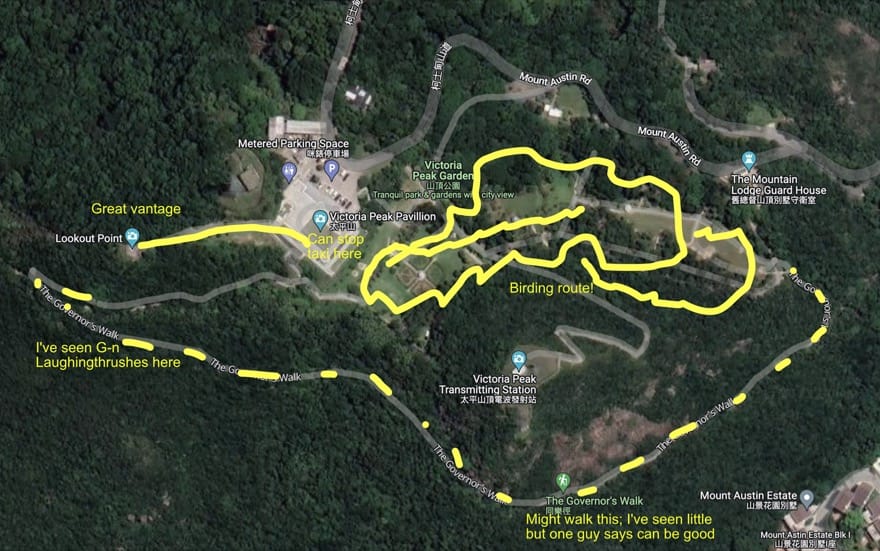
To the west lies lower Mount Davis, which may be a better place to try for migrants – including for visible migration of birds of prey, swifts and more.
Uplands birding: Tai Mo Shan
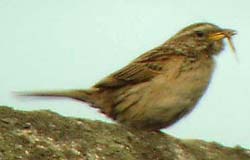 The upper reaches of Hong Kong’s highest mountain, Tai Mo Shan, hold few species, but there are specialities, notably Upland Pipit (left; now harder to find here), Vinous-throated Parrotbill and Chinese Grassbird (endemic to south China, and barely known outside Hong Kong; yet tough to see in HK too; become harder of late). Also good for Chinese Francolin. Though all are resident, they are most readily found when singing in spring and early summer; note, however, that the weather can be grim here, so try to pick a fine day for a visit.
To cover this area, it’s best to head to the barrier on the road to the summit (there’s a small car park here), then walk up this road. Soon after a couple of uphill zigzags, there’s a rough track to the right, which leads to a path into a small, wooded valley that’s good for Red-billed Leiothrix, with the chance of other HK montane birds such as Brown-flanked and Russet bush-warblers (though you might hear but not see these warblers).
This was a site for Chinese Babax, but seems this has become locally extinct. A factor may be spread of trees n shrubs – and breeding birds – from lower elevations. Though the change may reflect re-growth of forest cover that was likely here before cleared by man, global warming might be involved: frosts have been scarcer in recent years, and the trees have advanced recently in past few years. Other hill birds are also harder to see as a result.
Ng Tung Chai
A wooded ravine at Ng Tung Chai, on the north slopes of Tai Mo Shan, is another good birding location – but you have to hike to reach the best parts. Birds here may include some species that are rare elsewhere (as they favour higher elevation forests?) – such as Siberian Thrush; and Japanese Robin in winter. Slaty-backed Forktail was fairly regular.
Lam Tsuen Valley
Lam Tsuen Valley just north of Tai Mo Shan, was one of the top birding areas in Hong Kong, especially for birds of fields, and woods. Sadly, there has been something of a housing boom, with three-storey villas smothering large areas of fields; this helped deter birders, and reduced habitats.
Yet there has been a resurgence for birding here, with interesting species at two sites:
She Shan, where there is a good fung shui wood by a small village at the foot of the hills; south of the Wishing Tree. Good for woodland birds, with chance of local rarities – a Hume’s Yellow-browed Warbler was among species in winter 2005/2006.
“The Golden Triangle” – another fung shui wood, lying beside – just north of – the Lam Kam Road (small turning by a sign advertising Coca-Cola). There are houses right by it, a tyre dump within the wood, yet big old trees still attract forest birds, including a Thick-billed Pigeon in winter 2005/2006. An easy place for making a perhaps productive halt whilst on a birding jaunt in the area.
Ho Chung
This is a small valley near northwest Kowloon, along the main road to Sai Kung. The fields here (above new housing developments) can hold birds – there are concrete paths you can walk along; so too the woodland on the slopes. The woods are perhaps best along a “traditional” path, just south of the Wilson Trail.
Northeast New Territories
Bride’s Pool and Wu Kau Tang in the northeastern New Territories are perhaps best visited if you want to enjoy scenery as well as watch birds. The species variety is usually not great, but may include Lesser Coucal, Scarlet-backed Flowerpecker (common here), Violet Whistling Thrush and, perhaps, Bonelli’s Eagle. In late spring, there is a chance of Black Baza; you might be lucky enough to watch one displaying (scarcer in recent years).
A little north of them is Luk Keng, with lovely old villages facing abandoned rice fields that’s become one of Hong Kong’s better freshwater (or brackish?) marshes.
Eastwards lies Lai Chi Wo: makes for a great hike to get there; with some good fung shui woods and resurgent rice fields, should be something of a hotspot for migrants, but receives little attention from birders.
Shalotung
Shalotung is a wonderful site that seems remote, yet is close to Tai Po Market (may have to walk up to here from the road below, as taxi drivers won’t always take you up). Mix of habitats includes abandoned farmland, and fung shui woods beside old villages, set in an upland basin. Rather than having specialities – though it has been good for bush warblers in winter, and Lesser Coucal is fairly common, it is more a place for a pleasant walk, in hope of maybe finding a somewhat unusual species.
Tsim Bei Tsui
Tsim Bei Tsui lies on Inner Deep Bay, west of Mai Po. The bay and neighbouring fishponds hold many of the Mai Po birds – and though some are often seen better/more regularly at Mai Po, this is a better place to view birds in Deep Bay itself when the tide isn’t relatively high (in which case, most birds are far away from the Mai Po Boardwalk hides). This is also a better vantage for some of the birds of more open water, such as Great Crested Grebe, Red-breasted Mergansert and Greater Scaup; Hong Kong’s first Velvet Scoter was seen here in April 2023.
It used to be good for walking along border fence beside mangroves. But the mangroves have spread and grown taller, so much harder to see birds on the mudflats.
Tsim Bei Tsui is at the northeast tip of a headland, which on some days in spring is followed by good numbers of migrants such as Grey-faced Buzzard and Chinese Goshawk (chiefly a couple of days after a cold front has pushed over, bringing fine weather and rising pressure to the northern Philippines – I believe the birds leave in such conditions, and are drifted towards Hong Kong in easterly airstreams). These may be better seen elsewhere, such as Po Toi, and Lion Head Mountain at Ngong Ping on Lantau.
More information
The Hong Kong Birdwatching Society website has links to info on Hong Kong birding sites; you can also download a checklist of HK birds. BBS link on the main page leads to the active forum. The Avifauna of Hong Kong is an online repository of information on the bird species occurring here.
The best field guide for the territory is the HKBWS Field Guide to the Birds of Hong Kong and South China.
In case of interest: I lead some private birdwatching tours, please see Birding guide in Hong Kong.